
Views: 222 Author: Leah Publish Time: 2025-12-16 Origin: Site


Content Menu
● Understanding Carbon Silicon Carbide in Turkish Industry
● Silicon Carbide Abrasive Producers and Users in Turkey
>> Karbosan: Pioneering Abrasive Manufacturer
>> Leox Abrasive: High‑Performance SiC Fibre Discs
>> Atlasstone: Abrasive Wires with Silicon Carbide
● Refractory‑Focused Carbon Silicon Carbide Suppliers
>> Ates Tugla: Silicon Carbide Refractory Bricks
>> Kares Ceramic: Technical Ceramics and Refractories
>> Global Refractory Integrators Linked to Turkey
● Advanced Ceramics, Armor, and High‑Tech Silicon Carbide Uses
>> Nurol Teknoloji: Ballistic Ceramics with SiC
>> Silicon Carbide Fabrics and Composites
● Global Distributors and Service Partners Connected to Turkey
>> Turkish Trading and Engineering Houses
● How Dragon Abrasives Group Limited Fits into the Turkish Market
● Buying Guide: Evaluating Carbon Silicon Carbide Manufacturers and Suppliers in Turkey
● Example Snapshot of Relevant Companies
● FAQ
>> (1) What are the main uses of silicon carbide in Turkey?
>> (2) How do buyers evaluate Carbon Silicon Carbide Manufacturers and Suppliers in Turkey?
>> (3) Are there advanced silicon carbide applications beyond abrasives and refractories?
>> (4) How can Chinese suppliers cooperate with Turkish silicon carbide users and producers?
>> (5) What documentation is usually required from Carbon Silicon Carbide Manufacturers and Suppliers?
Turkey's diversified industrial base has created strong and growing demand for silicon carbide (SiC) in both traditional and high‑tech applications. Carbon Silicon Carbide manufacturers and suppliers now see Turkey as a hub that can serve nearby regions in automotive, steel, cement, glass, ceramics, and defense industries. Turkish producers, integrators, and distribution partners increasingly work with global SiC suppliers to secure stable quality, competitive prices, and technical support.
Carbon Silicon Carbide generally refers to silicon carbide products and components that operate in high‑temperature, carbon‑rich, or corrosive environments, often in combination with carbonaceous refractories or metallurgical systems. In Turkey, Carbon Silicon Carbide Manufacturers and Suppliers focus on grains, powders, refractory bricks and castables, filters, coatings, and abrasive tools. These products are essential in steelworks, cement kilns, glass furnaces, ceramic kilns, foundries, and precision finishing operations.
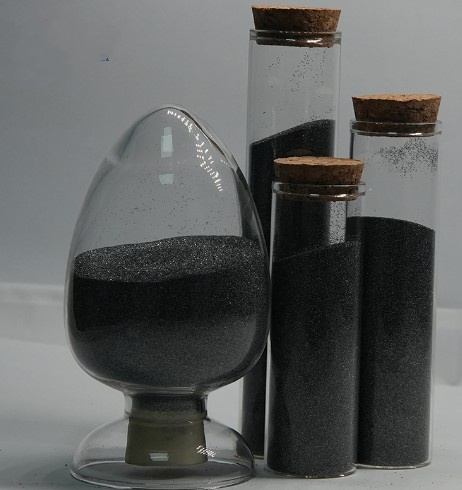
From a performance perspective, silicon carbide offers extremely high hardness, strong thermal conductivity, and outstanding resistance to abrasion and thermal shock. In carbon‑containing systems such as certain refractory castables, SiC contributes to improved structural integrity and longer service life. As a result, many Turkish projects specify silicon carbide as a critical ingredient in furnace linings, blast furnace components, kiln furniture, and hot‑face bricks.
Turkey hosts several important abrasive manufacturers that use silicon carbide as a core raw material, even if they are not strictly pure Carbon Silicon Carbide Manufacturers and Suppliers. These companies transform SiC grains into cutting wheels, grinding wheels, sanding discs, belts, and specialty tools that are exported worldwide. For global buyers, they represent key reference points for the quality and performance of silicon carbide supplied into the Turkish market.
Karbosan is widely recognized as one of Turkey's pioneering abrasive manufacturers, with decades of experience in bonded and coated abrasives. The company produces a wide range of cutting and grinding wheels, flap discs, and sanding products. Silicon carbide is used in products designed for cutting and grinding stone, concrete, non‑ferrous metals, and certain composite materials, where sharp cutting action and high wear resistance are required.
As a major consumer of silicon carbide grains, Karbosan illustrates how Carbon Silicon Carbide Manufacturers and Suppliers can plug into Turkey's downstream industries. Consistent grain quality and distribution, low impurity levels, and reliable logistics are critical to maintaining performance and safety in Karbosan's abrasive lines. For foreign SiC producers, partnering with such established Turkish brands is an efficient way to gain market access.
Leox Abrasive is another Turkish abrasive company that offers high‑performance cutting and grinding products. Among its product range, silicon carbide fibre discs stand out as a solution for sanding and finishing glass, marble, ceramic tiles, and hard cast iron. These applications demand highly sharp, hard grains that can resist dulling and heat build‑up, making SiC the preferred choice.
Leox's use of silicon carbide positions it firmly within the ecosystem of Carbon Silicon Carbide Manufacturers and Suppliers serving the Turkish market. Distributors and OEM partners can cooperate with Leox on private‑label solutions using SiC‑based fibre discs and cutting products, while upstream SiC producers can tailor grain characteristics to meet Leox's process requirements and customer performance targets.
Atlasstone, known for solutions in stone processing and construction, can produce abrasive wires that incorporate diamond or silicon carbide. In stone cutting and block‑slabbing, SiC‑containing wires provide a balance of cutting speed, durability, and cost. This niche application highlights another way Carbon Silicon Carbide Manufacturers and Suppliers can engage with Turkish industries, beyond traditional bonded and coated abrasives.
By optimizing the grain type and bonding system of silicon carbide in abrasive wires, Atlasstone and its partners can serve marble, granite, and engineered stone producers both within Turkey and in export markets. International SiC suppliers that understand wire‑sawing processes can provide specialized grades tailored to this demanding application.
Silicon carbide plays a central role in refractory systems used in iron and steel, cement, glass, non‑ferrous metals, and certain chemical processing industries. In Turkey, capacious investments in steel mills, glass plants, and cement kilns underpin sustained demand for SiC‑containing refractory bricks, castables, and monolithic linings. Local refractory integrators and service companies often collaborate with international Carbon Silicon Carbide Manufacturers and Suppliers to secure reliable raw material flows.
Ates Tugla has supplied refractory materials such as fire bricks to glass, ceramic, and steel industries since the late 20th century. Among its offerings are silicon carbide refractory bricks, which are designed for areas facing intense abrasion, thermal shock, and chemical attack. These bricks are widely used in glass furnace superstructures, burner blocks, furnace roofs, and areas with heavy slag or batch contact.
For Carbon Silicon Carbide Manufacturers and Suppliers, Ates Tugla is an example of how Turkish refractory companies integrate SiC into finished shapes tailored to specific furnace zones. The consistency of SiC chemical composition, grain size, and bulk density directly influences the thermal shock resistance, corrosion resistance, and overall service life of these bricks.
Kares Ceramic, located in Istanbul, is active in technical ceramics and refractory solutions and references silicon carbide within its portfolio. The company's business model includes supplying ceramic and refractory components for high‑temperature industrial processes. Silicon carbide is used in applications such as kiln furniture, setter plates, burner nozzles, and wear‑resistant components.
This integration of SiC into advanced technical ceramic systems shows how Turkish ceramic companies depend on steady supply from Carbon Silicon Carbide Manufacturers and Suppliers. High‑purity powders, controlled particle size distributions, and tailored blends are necessary to achieve the desired mechanical and thermal performance in Kares Ceramic's products.
Turkey is also connected to global refractory supply chains through international SiC producers and integrators. Some well‑known companies provide high‑performance silicon carbide grades optimized for refractory castables, bricks, and monolithics to customers in Europe, the Middle East, and Asia, including projects in Turkey. These materials are used in blast furnace linings, ladle linings, precast shapes, crucibles, and high‑wear zones of cement and glass kilns.
Such international Carbon Silicon Carbide Manufacturers and Suppliers cooperate with Turkish refractory installers and engineering contractors through technical service, joint testing, and on‑site performance monitoring. For buyers, this means that a refractory solution in Turkey frequently combines local engineering with global raw material expertise.
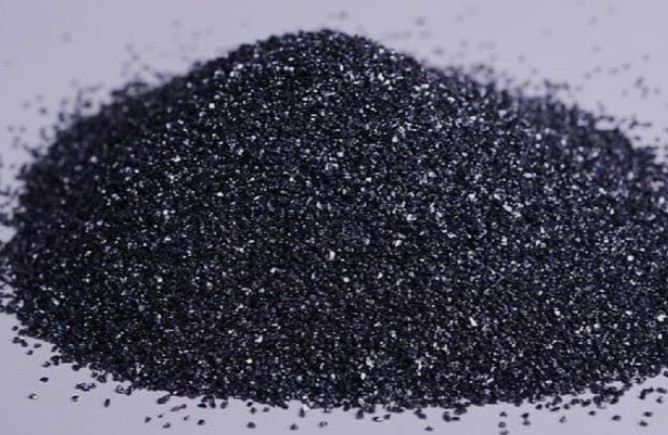
Beyond traditional abrasives and refractories, Turkey's high‑tech industries have begun to adopt silicon carbide in advanced ceramics, armor systems, and high‑temperature composite components. These applications often require ultra‑high purity SiC, tight microstructural control, and compliance with rigorous quality standards. Consequently, Carbon Silicon Carbide Manufacturers and Suppliers serving this niche must demonstrate strong R&D and certification credentials.
Nurol Teknoloji is Turkey's first dedicated advanced technical ceramic manufacturer focused on ballistic ceramics and protective solutions. Its product range includes armor systems based on alumina, silicon carbide, and boron carbide for personal protection, vehicle armor, and facility protection. Silicon carbide ceramics offer a combination of high hardness, relatively low density, and good multi‑hit performance, making them a vital option for weight‑sensitive defense applications.
For Carbon Silicon Carbide Manufacturers and Suppliers, this segment demands SiC powders of exceptional purity, narrow particle size distribution, and reliable sintering behavior. Nurol Teknoloji and similar companies require detailed technical data, batch traceability, and application‑specific testing when evaluating SiC suppliers. Long‑term cooperation in this field often includes co‑development projects and continuous improvement cycles.
Turkey also participates in advanced composite materials using silicon carbide fibers and fabrics, particularly in sectors like aerospace, energy, and high‑performance industrial systems. AS9100‑certified silicon carbide fabrics and related composite technologies serve as reinforcement in thermal protection systems, structural components, and specialized industrial equipment. These applications illustrate yet another frontier where Carbon Silicon Carbide Manufacturers and Suppliers can contribute.
In fabric and composite production, SiC must meet strict requirements concerning fiber strength, modulus, oxidation resistance, and compatibility with matrix resins or ceramic matrices. Turkish composite companies that work with SiC fabrics typically collaborate with international material innovators and rely on stable, long‑term supply contracts for critical projects.
In parallel with local producers, global distributors play an important role in bringing silicon carbide into the Turkish market. Many Carbon Silicon Carbide Manufacturers and Suppliers choose to cooperate with specialized trading and distribution companies able to manage customs, warehousing, finance, and local customer service. These partners often hold stock of black and green SiC in various grain sizes, as well as special grades for refractories and ceramics.
International distribution groups with strong positions in refractory and abrasive markets can supply silicon carbide to Turkish customers either from regional warehouses or through direct shipments. Their portfolios often include multiple SiC grades, allowing Turkish buyers to optimize cost and performance by selecting the most appropriate type for each project. For smaller Turkish end users, distributors are sometimes the most practical way to access high‑quality silicon carbide without committing to very large volumes.
In addition to global distributors, numerous Turkish engineering firms and trading houses handle abrasives, refractories, and carbide‑related products. Business‑to‑business platforms and directories list local companies that serve as representatives or agents for foreign Carbon Silicon Carbide Manufacturers and Suppliers. These organizations help international producers navigate Turkish regulations, language, and cultural differences, while offering end users local contacts for technical and commercial support.
For foreign silicon carbide producers, partnering with Turkish engineering houses can accelerate market entry and reduce risk. These local partners often have existing relationships with steel mills, glass plants, cement producers, foundries, and ceramic manufacturers. They also assist with product approvals, trials, and after‑sales service, which are critical to winning long‑term contracts.
Dragon Abrasives Group Limited, as a Chinese producer and exporter of high‑quality abrasives and refractory materials, is well positioned to serve Turkish customers and collaborate with local companies. With expertise in silicon carbide production and grading, the company can supply abrasive‑grade and refractory‑grade SiC tailored to the needs of Turkish buyers. This aligns with the requirements of Carbon Silicon Carbide Manufacturers and Suppliers in Turkey that demand consistent quality and reliable logistics.
Dragon Abrasives Group Limited can cooperate with Turkish abrasive manufacturers by providing silicon carbide grains optimized for cutting wheels, grinding wheels, fibre discs, and sanding belts. For refractory integrators and installers, it can offer refractory‑grade SiC for bricks, castables, and monolithics used in steel, cement, glass, and non‑ferrous metal industries. For technical ceramics and advanced applications, Dragon Abrasives can develop higher‑purity silicon carbide powders and blends suitable for kiln furniture, armor components, and composite materials.
Strategic cooperation models include OEM supply under Turkish brands, long‑term raw material contracts with local integrators, and joint product development projects. By integrating Chinese manufacturing strengths with Turkish industrial know‑how, both sides can create competitive value propositions for regional and global markets. This synergy is particularly attractive for distributors and end users seeking flexible volumes, stable pricing, and strong technical support from their Carbon Silicon Carbide Manufacturers and Suppliers.
International buyers aiming to source from Carbon Silicon Carbide Manufacturers and Suppliers in Turkey should adopt a structured evaluation approach. Price is important, but long‑term success depends more on quality consistency, technical competence, and supply reliability. A clear set of criteria helps buyers compare local Turkish producers, trading houses, and international suppliers.
Key factors include:
- Technical specifications
Buyers should review silicon carbide content, grain shape and size distribution, bulk density, and impurity levels such as iron and free carbon. For abrasive applications, the focus is on cutting performance and wear behavior, whereas refractory and ceramic uses require thermal shock resistance and corrosion resistance.
- Quality systems and certifications
ISO‑based quality management systems, product testing procedures, and regular third‑party audits contribute to reliability. In high‑end sectors such as defense and aerospace, additional certifications like AS9100 and specific ballistic or structural test reports may be required.
- Application expertise
Suppliers with proven experience in steel, cement, glass, ceramics, automotive, or defense applications can provide more precise technical guidance. Knowledge of furnace design, abrasive tool performance, and ceramic processing allows Carbon Silicon Carbide Manufacturers and Suppliers to recommend the best grade for each situation.
- Logistics and after‑sales service
Lead times, minimum order quantities, warehousing options, and local technical service in Turkey are vital. Strong after‑sales support, including troubleshooting, process optimization, and joint testing, distinguishes true partners from transactional vendors.
The following overview groups different types of organizations relevant to carbon silicon carbide in or connected with Turkey. It is not an exhaustive list, but it helps illustrate the variety of roles in the value chain of Carbon Silicon Carbide Manufacturers and Suppliers.
- Abrasive manufacturers: Companies such as Karbosan, Leox Abrasive, and Atlasstone use silicon carbide grains in cutting wheels, fibre discs, sanding belts, and abrasive wires. They transform raw SiC into finished tools for metal, stone, glass, and construction markets.
- Refractory integrators: Firms like Ates Tugla and Kares Ceramic incorporate silicon carbide into bricks, castables, and ceramic components for high‑temperature industries. They depend on steady SiC supply with controlled properties for furnace and kiln performance.
- Advanced ceramic and armor producers: Nurol Teknoloji and similar companies employ silicon carbide in ballistic armor and high‑tech ceramic components. Their requirements for purity, microstructure, and certification are among the most demanding in the market.
- Global integrators and distributors: International silicon carbide producers and distributors provide a variety of SiC grades to Turkish customers via regional hubs and local partners. They support projects in refractories, abrasives, and advanced ceramics, often working closely with Turkish engineering and trading houses.
In this ecosystem, Dragon Abrasives Group Limited can position itself as a reliable upstream partner that supplies high‑quality silicon carbide to Turkish users while cooperating with local companies on tailored solutions. This role fits well within the broader network of Carbon Silicon Carbide Manufacturers and Suppliers that span mining, processing, distribution, and application engineering.
Turkey's industrial development in steel, cement, glass, ceramics, and defense has created robust demand for silicon carbide and related carbon‑rich systems. Local abrasive producers, refractory integrators, advanced ceramic manufacturers, and engineering houses all rely on stable access to quality SiC to keep furnaces running, surfaces finished, and protective systems functioning. As a result, Turkey has become an attractive destination for Carbon Silicon Carbide Manufacturers and Suppliers seeking new markets.
By combining Turkish industrial strengths with international silicon carbide production capacity, buyers can access a broad portfolio of abrasive‑grade, refractory‑grade, and high‑tech SiC materials. Dragon Abrasives Group Limited and other global suppliers can support Turkish customers through customized grades, OEM projects, and technical service. For global B2B buyers, understanding this ecosystem and working with the right Carbon Silicon Carbide Manufacturers and Suppliers is the key to building resilient, efficient, and future‑proof supply chains.
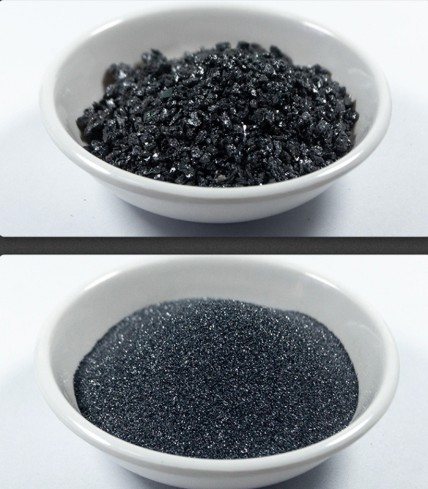
Silicon carbide in Turkey is primarily used in bonded and coated abrasives such as cutting wheels, grinding wheels, fibre discs, and sanding belts for metal, stone, glass, and ceramics. It is also widely used in refractory bricks, castables, kiln furniture, and technical ceramics for steel, cement, glass, and non‑ferrous metal industries.
Buyers should assess chemical composition, grain size distribution, density, and impurity levels, along with the supplier's quality certifications and testing procedures. They should also verify application experience, review references in similar industries, and check logistics capabilities and responsiveness in after‑sales service.
Yes, advanced applications in Turkey include ballistic armor ceramics, high‑temperature ceramic components, and silicon carbide fabrics or composites for aerospace and high‑performance industrial use. These require high‑purity SiC, controlled microstructures, and adherence to strict standards and specialized testing.
Chinese producers such as Dragon Abrasives Group Limited can supply abrasive‑grade and refractory‑grade silicon carbide as OEM raw materials to Turkish manufacturers. Cooperation models include long‑term raw material contracts, private‑label abrasive products, joint development of refractory formulations, and technical collaboration on advanced ceramic solutions.
Common documentation includes detailed technical data sheets, safety data sheets, and certificates of analysis for each batch supplied. For critical applications such as armor or aerospace components, buyers may also require traceability records, mechanical and ballistic test reports, and relevant quality system certifications.


