
Views: 222 Author: Leah Publish Time: 2025-12-16 Origin: Site


Content Menu
● Understanding Carbon Silicon Carbide
● Why Thailand for Carbon Silicon Carbide?
● Key Applications in Thai Industry
● Main Categories of Carbon Silicon Carbide Products
● Leading Carbon Silicon Carbide Manufacturers and Suppliers in Thailand
>> Siam Casting Parts Nissin Co., Ltd.
>> Sansho (Thailand) Co., Ltd.
● Role of International Partners and Importers
● Dragon Abrasives Group Limited as a Strategic Partner
● Product and Specification Considerations
● Market Trends for Carbon Silicon Carbide in Thailand
● How Overseas Buyers Should Evaluate Thai Suppliers
● Practical Sourcing Tips for Carbon Silicon Carbide Products
● Cooperation Models Between Thai and International Suppliers
● Risk Management in Carbon Silicon Carbide Supply
● Future Outlook for Carbon Silicon Carbide in Thailand
● FAQ
>> 1. What is carbon silicon carbide and how is it used?
>> 2. Why choose carbon silicon carbide manufacturers and suppliers in Thailand?
>> 3. Which industries in Thailand use carbon silicon carbide products most?
>> 4. How can buyers evaluate Thai carbon silicon carbide suppliers effectively?
>> 5. Can Thai suppliers provide customized carbon silicon carbide parts for global buyers?
Carbon Silicon Carbide manufacturers and suppliers in Thailand are becoming strategic partners for global abrasives, mechanical seal, and advanced ceramic applications. Thailand combines a fast‑growing industrial base with flexible carbon–graphite–silicon carbide machining capabilities that attract buyers from Asia, Europe, and North America.
Carbon Silicon Carbide generally refers to engineered solutions that combine carbon or graphite with silicon carbide, such as mechanical seal rings, crucibles, wear parts, and high‑performance abrasives. These hybrid materials deliver excellent hardness, thermal shock resistance, and chemical stability, making them ideal for pumps, compressors, furnaces, and precision grinding tools.
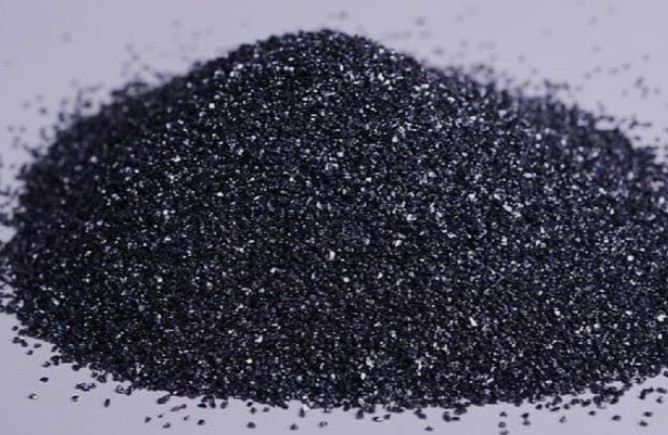
In Thailand, carbon silicon carbide manufacturers and suppliers typically serve industries such as chemicals, power generation, semiconductor processing, foundry, and general machinery. Many local carbon silicon carbide manufacturers and suppliers work closely with global technology partners to offer custom designs, stable quality, and responsive after‑sales engineering support.
Thailand's silicon carbide market is expanding rapidly, supported by automotive, electronics, and metalworking sectors that demand advanced abrasive and refractory materials. This growth reflects long‑term opportunities for carbon silicon carbide manufacturers and suppliers, especially those able to offer high‑performance parts and tailored solutions.
The country's role as a regional manufacturing hub, with competitive labor costs, strong logistics, and proximity to key export markets in ASEAN, China, Japan, and India, further enhances its attractiveness. For overseas buyers, working with Thai carbon silicon carbide manufacturers and suppliers can reduce lead times and logistics risks while maintaining attractive pricing and supply stability.
Carbon silicon carbide components are widely used in mechanical seals for pumps and agitators handling corrosive or abrasive media in chemical plants and water‑treatment facilities. Their hardness and lubricity reduce wear, extend service life, and maintain sealing performance at high temperatures and rotational speeds.
Silicon carbide crucibles and carbon‑bonded graphite–SiC products are also used in Thai foundries and non‑ferrous metal casting operations. These crucibles resist thermal shock and chemical attack, improving melt quality and lowering scrap rates for aluminum, copper, zinc, and precious metals.
Across Thailand, carbon silicon carbide manufacturers and suppliers focus on several core product categories that serve both OEM production and maintenance markets:
- Carbon–graphite and silicon carbide mechanical seal faces, seats, and rings
- Carbon‑bond graphite and silicon carbide crucibles for non‑ferrous and precious metal melting
- Silicon carbide abrasive grains, powders, and blends used in grinding wheels and coated abrasives
- Custom carbon–SiC wear parts, bearings, and nozzles for high‑temperature or corrosive environments
- Composite components that combine carbon, silicon carbide, and sometimes resin or metal matrices
This diversity allows carbon silicon carbide manufacturers and suppliers in Thailand to support chemicals, oil and gas, power generation, semiconductor, automotive, metal casting, and general engineering sectors.
The Thai market includes a mix of local producers, regional distributors, and technology partners that specialize in carbon, graphite, and silicon carbide components. While some focus on machining and final parts, others specialize in refractories and abrasives, together forming a complete value chain for carbon silicon carbide solutions.
Suthee United Carbon is an industrial parts manufacturer in Thailand specializing in carbon, graphite, silicon carbide, and other engineered materials. It serves as an exclusive or strategic partner for international carbon technology brands in Thailand, providing custom‑made industrial parts using CAD/CAM/CNC technologies.
From its factory and engineering offices, Suthee United Carbon offers design assistance, material selection, and precision machining for mechanical seal faces, bearings, and wear parts based on carbon–graphite and silicon carbide. As such, it is a key example of local carbon silicon carbide manufacturers and suppliers capable of bridging global technology with Thai industry needs.
Siam Casting Parts Nissin is known as a major manufacturer of carbon‑bonded graphite crucibles, including silicon carbide crucibles, for the Thai and regional markets. These crucibles play a critical role in metal melting applications where high thermal shock resistance, oxidation resistance, and long service life are required.
By combining crucible design expertise with controlled raw materials and firing processes, the company supports foundries and casters in achieving cleaner melts, reduced erosion, and improved casting quality. Its focus on carbon‑bonded graphite–SiC technology places it firmly among specialist carbon silicon carbide manufacturers and suppliers for molten‑metal handling.
Sansho (Thailand) distributes black and green silicon carbide abrasive grains for industrial use, supplying local grinding wheel makers, coated abrasive converters, and sandblasting users. By stocking a range of particle sizes and purity levels, the company adapts global silicon carbide production to specific requirements in Thailand.
Because abrasives are a critical input for many sectors, Sansho Thailand effectively operates as a vital link between primary silicon carbide producers and the Thai end‑user community. In this way it participates in the ecosystem of carbon silicon carbide manufacturers and suppliers by ensuring timely, consistent availability of abrasive‑grade SiC.
Alongside fully local producers, some Thai companies act as exclusive partners or authorized distributors for international carbon and silicon carbide technology brands. This model allows them to combine local machining and service capabilities with imported raw materials and proprietary carbon–SiC formulations.
At the same time, major exporters from other countries, particularly China, supply Thai and global customers with silicon carbide abrasive grains and related materials. Chinese producers ship green silicon carbide, black silicon carbide, and specialized blends that are then converted or distributed in Thailand by local carbon silicon carbide manufacturers and suppliers, strengthening supply reliability and product variety.
Dragon Abrasives Group Limited, based in China, is a professional producer and exporter of high‑quality abrasives and refractory materials. Its product portfolio covers green silicon carbide, black silicon carbide, boron carbide, fused alumina, garnet, and other blasting and grinding media used worldwide.
With a strong export orientation and experience serving customers across North America, Europe, Southeast Asia, and the Middle East, Dragon Abrasives can work closely with Thai distributors, converters, and end users. For buyers in Thailand searching beyond domestic carbon silicon carbide manufacturers and suppliers, Dragon Abrasives offers stable capacity, consistent quality, and technical support for silicon carbide‑based abrasives and refractory raw materials.
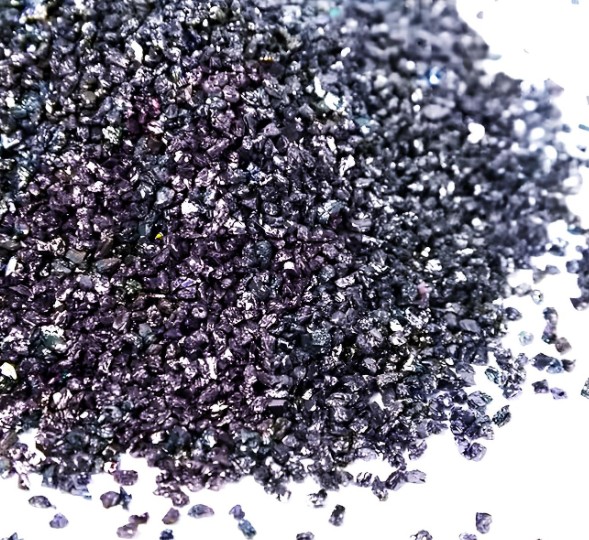
Because “carbon silicon carbide” covers several material families, buyers must pay attention to the exact composition and manufacturing route when working with carbon silicon carbide manufacturers and suppliers. Key aspects include:
- Material grade: Reaction‑bonded SiC, recrystallized SiC, sintered SiC, and carbon–graphite composites each have different porosity, strength, and corrosion resistance.
- Carbon content and structure: For carbon–SiC composites, the ratio of carbon to silicon carbide and the type of graphite (isostatic, extruded, resin‑bonded, etc.) affect tribological performance and temperature limits.
- Density and porosity: Higher density usually means better strength and wear resistance, but may require more demanding processing and higher cost.
- Surface finish and tolerances: Mechanical seal faces and high‑precision parts often need lapped or polished surfaces with tight flatness and roughness values.
Close communication with carbon silicon carbide manufacturers and suppliers in Thailand and abroad helps ensure that selected grades match actual service conditions, thus preventing premature failure and unnecessary maintenance.
Industry analyses point to continued growth in Thailand's silicon carbide segment, driven by electric vehicles, power electronics, energy‑efficient motors, and advanced abrasives. As end users pursue higher efficiency and longer equipment lifetimes, demand is shifting toward higher‑purity, tighter‑tolerance silicon carbide and carbon–SiC components.
Environmental regulations and energy‑efficiency targets are also encouraging the adoption of durable crucibles, leak‑resistant mechanical seals, and low‑loss grinding tools. Carbon silicon carbide manufacturers and suppliers able to deliver products with better life‑cycle performance—supported by testing, traceability, and continuous improvement—will be best positioned to capture this growth.
When assessing carbon silicon carbide manufacturers and suppliers in Thailand, overseas buyers should consider both technical and commercial factors:
- Certifications and quality systems: ISO‑based management, documented material traceability, and regular audits signal process control and reliability.
- Engineering capability: Ability to work from CAD drawings, simulate operating conditions, recommend grades, and redesign parts for better performance.
- Sampling and testing: Willingness to supply samples, small trial batches, and test data (such as hardness, density, corrosion resistance, and leak tests for seals).
- Export experience and logistics: Familiarity with international documentation, packaging standards, and coordination with freight forwarders or integrators.
By benchmarking several carbon silicon carbide manufacturers and suppliers against these criteria, buyers can shortlist partners with the best balance of technical strength, responsiveness, and total cost.
To maximize success when sourcing from Thai and international carbon silicon carbide manufacturers and suppliers, buyers can follow a structured approach:
1. Define application conditions
Clearly describe temperature, pressure, media, rotational speed, and expected lifetime to guide material selection. For abrasives, specify workpiece material, required surface finish, and productivity targets.
2. Share drawings and performance expectations
Provide dimensioned drawings, tolerances, surface finish requirements, and any industry standards (such as API or DIN) that must be met. This helps suppliers propose suitable carbon–SiC grades and design options.
3. Request prototypes and trials
Before committing to large orders, validate products under real operating conditions. Mechanical seal faces, crucibles, and abrasive tools should be tested for wear, thermal shock resistance, and consistency.
4. Agree on inspection and documentation
Define incoming inspection criteria, test certificates, and traceability requirements to avoid disputes and ensure repeatability from batch to batch.
5. Align forecasts and safety stock
Because raw materials and firing cycles can be time‑intensive, sharing volume forecasts with carbon silicon carbide manufacturers and suppliers allows them to plan capacity and maintain buffer stocks.
Many buyers find value in combining the strengths of both Thai and foreign carbon silicon carbide manufacturers and suppliers. Typical cooperation models include:
- Local machining, imported raw blocks: Silicon carbide or carbon–SiC blocks are imported and then machined locally in Thailand, allowing fast customization and reduced shipping cost for finished parts.
- Local distribution of imported abrasives: High‑purity silicon carbide grains from overseas are warehoused and distributed by Thai agents for quick delivery to wheel and paper manufacturers.
- Joint development projects: Thai users, local machining houses, and foreign raw‑material producers collaborate to develop parts optimized for specific pumps, furnaces, or blasting systems.
These models give end users access to global technology while benefiting from local responsiveness and service.
Because carbon and silicon carbide products are often mission‑critical, buyers should pay attention to supply risks and mitigation strategies. Diversifying the supply base across multiple carbon silicon carbide manufacturers and suppliers, including both Thai and overseas partners, helps reduce dependence on any single plant or region.
Additionally, establishing framework agreements, safety stock policies, and clear communication procedures for urgent orders can significantly reduce downtime risk. Regular performance reviews and joint improvement projects between buyers and suppliers also help ensure that carbon silicon carbide products remain competitive in cost and performance over time.
Looking ahead, Thailand is likely to see increased integration of carbon silicon carbide solutions into high‑tech sectors such as advanced electronics, energy storage, and renewable power systems. As these industries mature, they will demand tighter dimensional control, higher purity, and more sophisticated composites from carbon silicon carbide manufacturers and suppliers.
Digitalization, including online technical support, remote monitoring of seal performance, and data‑driven optimization of abrasive processes, will further shape how buyers interact with suppliers. Companies that invest early in these capabilities—both in Thailand and in exporting countries like China—will gain a competitive edge in serving global customers.
Thailand is emerging as an important base for carbon silicon carbide manufacturers and suppliers, serving regional and global demand for high‑performance seals, crucibles, and abrasive materials. With a growing silicon carbide market, strong industrial clusters, and key players such as engineering‑focused part makers, crucible specialists, abrasives distributors, and international partners like Dragon Abrasives Group Limited, buyers can build a resilient, cost‑effective supply network.
By carefully evaluating technical capabilities, certifications, logistics, and communication, overseas companies can establish long‑term partnerships with carbon silicon carbide manufacturers and suppliers in Thailand that support reliable production and sustainable growth. As the demand for advanced abrasives and engineered carbon–silicon carbide components continues to rise, Thailand's role in the global value chain will become even more significant.
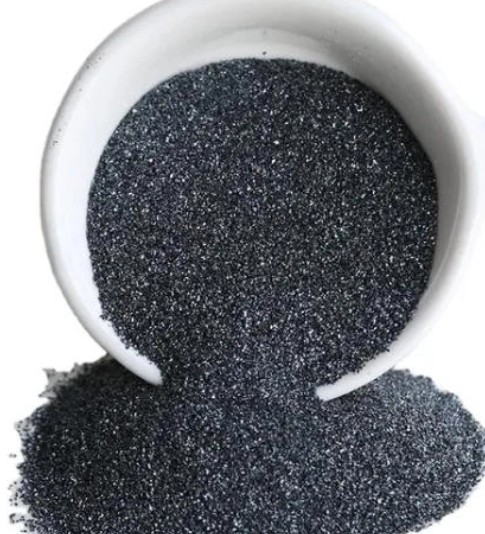
Carbon silicon carbide usually refers to engineered materials that combine carbon or graphite with silicon carbide in components such as mechanical seal rings, crucibles, and wear parts. These materials are used in chemical processing, water treatment, metal casting, power generation, and high‑temperature machinery where hardness, corrosion resistance, and thermal shock resistance are critical.
Thailand offers a rapidly expanding silicon carbide market supported by strong automotive, electronics, and metalworking sectors. Local carbon silicon carbide manufacturers and suppliers benefit from competitive production costs, good logistics connections, and proximity to major export markets, allowing overseas buyers to enjoy reliable quality with shorter lead times and diversified sourcing.
The main users include chemical plants, refineries, power stations, water and wastewater facilities, foundries, automotive component manufacturers, and precision metalworking shops. These industries rely on carbon silicon carbide mechanical seals, crucibles, abrasives, and wear parts to improve equipment reliability, reduce maintenance, and achieve higher productivity.
Buyers should examine certifications, quality documentation, and material data sheets, and request evidence of process control and testing. It is also important to assess engineering support, sample availability, export experience, and communication responsiveness, then compare multiple carbon silicon carbide manufacturers and suppliers based on technical capability, total cost, and delivery performance.
Many Thai carbon silicon carbide manufacturers and suppliers offer custom‑designed parts using CAD/CAM/CNC machining and can work from customer drawings or samples. By coordinating closely on specifications, tolerances, and testing requirements, they can tailor grades, dimensions, and surface finishes to meet the specific needs of OEM and MRO customers worldwide.


