
Views: 222 Author: Leah Publish Time: 2025-12-16 Origin: Site


Content Menu
● Understanding Carbon Silicon Carbide
● Key Industrial Applications in South Korea
>> Steel and Metallurgical Industries
>> Cement, Glass, and Ceramics
>> Abrasives and Surface Preparation
>> Semiconductor and Electronics
● Representative Korean Carbon Silicon Carbide Manufacturers and Suppliers
>> KORCARB
>> Tokai Carbon Group and SiC Components
>> SiC Wafer and Power Semiconductor Producers
● Advantages of Sourcing from South Korean Suppliers
>> Strong Industrial Ecosystem
>> High Quality and Process Control
>> Innovation and Advanced Materials
● Working with Chinese OEM Partner: Dragon Abrasives Group Limited
● How to Evaluate Carbon Silicon Carbide Manufacturers and Suppliers
>> Technical Fit and Product Portfolio
>> Quality Systems and Traceability
>> Capacity, Lead Time, and Flexibility
>> Engineering Support and Co‑Development
● Typical Cooperation Models for International Buyers
● FAQ
>> 1. What are the main benefits of using carbon silicon carbide materials?
>> 2. Which industries in South Korea rely most on carbon silicon carbide?
>> 3. How can buyers verify the quality of Korean carbon silicon carbide products?
Carbon Silicon Carbide manufacturers and suppliers in South Korea play an increasingly important role in the global abrasives, refractory, and advanced ceramics industries. South Korea's strong base in steelmaking, electronics, automotive manufacturing, and chemical processing is driving sustained demand for high‑performance Carbon Silicon Carbide products.
For international buyers, understanding the landscape of Carbon Silicon Carbide Manufacturers and Suppliers in South Korea, the main industrial applications, and the cooperation models with Chinese OEM producers such as Dragon Abrasives Group Limited can unlock cost‑effective and technically advanced sourcing options.
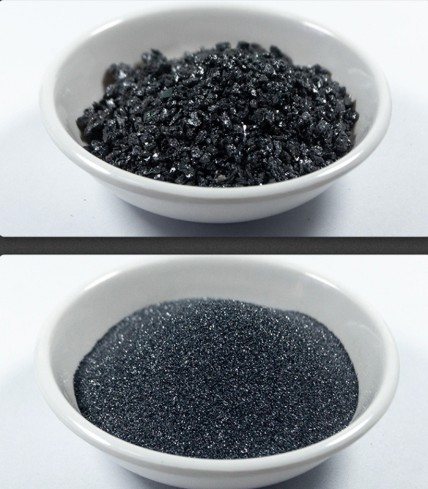
Carbon silicon carbide generally refers to solutions that combine silicon carbide with carbon‑based materials, or to SiC grades and composites designed for high‑temperature, high‑wear, and chemically aggressive environments. These materials are known for very high hardness, excellent thermal shock resistance, good thermal conductivity, and the ability to withstand severe mechanical and thermal cycling.
In industrial practice, carbon silicon carbide appears in several forms: loose abrasive grains, refractory mixes, shaped bricks and tiles, ceramic components, CVD‑grown SiC parts, and carbon/SiC composite structures. Each category supports different parts of the Korean industrial value chain, from basic metallurgy to high‑tech semiconductor manufacturing.
The steel and metallurgical sectors remain major consumers of refractories and high‑temperature ceramics in South Korea. Carbon silicon carbide is used in blast furnace linings, ladle linings, troughs, slide gates, and other areas exposed to molten metal, slag, and intense thermal cycling. Its combination of hardness and thermal stability helps improve lining life and reduce maintenance downtime.
Korean steelmakers continuously seek refractory solutions that can lower energy consumption, extend campaign length, and minimize unplanned shutdowns. Carbon silicon carbide refractories and composite materials, supplied by specialized manufacturers and converters, are well positioned to support these requirements.
Cement plants, glass furnaces, and advanced ceramic kilns rely on refractories that can withstand high temperature, alkali attack, and frequent thermal cycling. In these applications, carbon silicon carbide bricks, tiles, and monolithic linings enhance mechanical strength and resist chemical corrosion from fuels and process atmospheres.
In glass and ceramics, silicon carbide and carbon‑containing materials also serve as kiln furniture, setters, and saggars that carry products through firing cycles. Korean producers leverage these materials to maintain dimensional stability, minimize contamination, and ensure consistent product quality.
Carbon silicon carbide is widely used in abrasives because of its sharp cutting edges, high hardness, and ability to machine metals, ceramics, stone, and composites. South Korean manufacturers and converters use silicon carbide grains in coated abrasives, bonded grinding wheels, and blasting media.
Coated abrasives with silicon carbide backing play a major role in woodworking, automotive refinishing, electronics deburring, and glass polishing. Bonded wheels and loose blasting media are used in surface preparation for welding, coating, and finishing operations. Carbon silicon carbide abrasives help Korean industries achieve higher productivity and more consistent surface quality.
One of the fastest‑growing application areas for carbon silicon carbide in South Korea is the semiconductor and electronics sector. South Korea hosts important facilities for silicon carbide wafer production, power semiconductor fabrication, and supporting process equipment.
In this environment, carbon silicon carbide appears in several forms:
- Silicon carbide focus rings, susceptors, and chamber parts used in dry etch and deposition equipment.
- CVD‑grade SiC components designed for extremely long service life in corrosive plasma environments.
- Support fixtures and carriers that combine carbon and silicon carbide to optimize thermal and mechanical behavior during wafer processing.
This high‑tech segment demands extremely tight material specifications, high purity, and precise machining, which only specialized Carbon Silicon Carbide Manufacturers and Suppliers can provide.
Although South Korea has a focused rather than massive carbide industry, several representative companies illustrate the strength of local capabilities in carbon silicon carbide and related materials.
YMC Co., Ltd. focuses on advanced ceramic and silicon carbide components for high‑tech industries. The company produces precision SiC parts used in semiconductor, display, and other equipment where dimensional accuracy, stability, and reliability are critical. Its expertise in fine ceramics and silicon carbide makes it a reference supplier for demanding engineering applications.
For buyers interested in carbon silicon carbide parts such as rings, plates, tubes, or complex shapes, YMC can provide engineering support, material recommendations, and customized machining options based on operating conditions.
KORCARB specializes in carbon‑based materials such as carbon fiber insulation and C/C composites, which are often used together with silicon carbide in high‑temperature equipment and furnaces. These materials appear in hot zones of vacuum furnaces, sintering systems, and crystal growth equipment for various advanced materials.
By combining carbon and silicon carbide elements, KORCARB solutions provide low density, excellent insulation, and high strength at elevated temperatures. Global buyers seeking carbon silicon carbide assemblies for advanced furnaces or processing equipment can consider cooperation with KORCARB or similar Korean producers.
DAEHAN CERAMICS Co., Ltd. is known for high‑grade refractory materials, abrasive grains, and special ceramics. The company serves steel, non‑ferrous, cement, and other high‑temperature industries with a wide range of refractory bricks, monolithics, and special shapes.
In the context of carbon silicon carbide, DAEHAN CERAMICS can offer refractories that incorporate SiC and carbon components, designed for severe wear, slag resistance, and thermal shock in metallurgical and process industries. The combination of refractory know‑how and abrasive grain experience makes DAEHAN CERAMICS a versatile partner for industrial clients.
Seoul Tech Co., Ltd. is a leading producer of mechanical seals and related components, including silicon carbide rings. These rings provide excellent wear resistance, low friction, and high thermal stability in pumps and rotating equipment used in power plants, chemical processing, and various industrial systems.
For carbon silicon carbide applications, Seoul Tech's SiC ring technology demonstrates Korea's strength in precision SiC machining and mechanical design. International buyers looking for reliable mechanical seal components can benefit from Seoul Tech's experience and quality assurance systems.
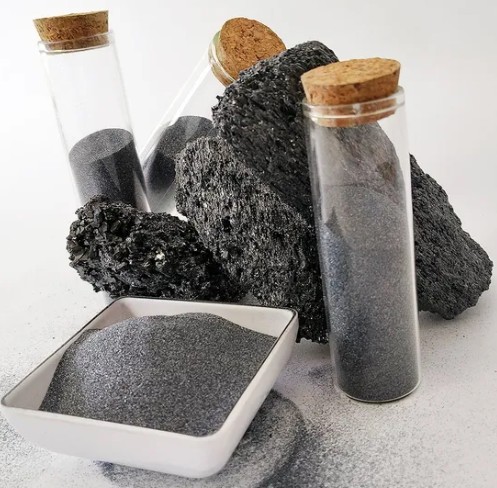
Through its Korean presence, Tokai Carbon supplies silicon carbide and carbon‑based components used in semiconductor process equipment, including SiC focus rings for etch chambers. These elements operate at high temperature and in reactive plasma environments, requiring extremely robust material properties and strict dimensional control.
Such components highlight the advanced side of Carbon Silicon Carbide Manufacturers and Suppliers in South Korea, where SiC and carbon combine in engineered parts rather than only in bulk materials or loose grains.
TCK is a notable producer of CVD silicon carbide components. Chemical vapor deposition enables the creation of very pure, dense SiC with superior corrosion resistance and mechanical properties, well‑suited for semiconductor and high‑vacuum equipment.
CVD‑grade SiC parts from TCK, such as chamber liners, susceptors, and other complex components, illustrate how far Korean manufacturers have moved up the value chain. These products can be paired with carbon or graphite substrates, forming carbon silicon carbide solutions tailored to extreme process environments.
In addition to component suppliers, South Korea hosts major SiC wafer and power device producers. Large wafer fabs in Bucheon and new facilities in Busan are ramping up production of silicon carbide wafers for electric vehicles, renewable energy systems, and industrial power electronics.
Although these wafer producers focus primarily on substrate and device manufacturing, their supply chains and process requirements drive demand for high‑purity carbon silicon carbide parts, fixtures, and support materials. For global buyers, this environment demonstrates that Carbon Silicon Carbide Manufacturers and Suppliers in South Korea operate at the cutting edge of power electronics technology.
South Korea's industrial structure is dense and interconnected, with steel mills, petrochemical complexes, automotive plants, semiconductor fabs, and electronics manufacturers located in well‑developed clusters. Carbon silicon carbide producers benefit from proximity to these key customers, which encourages continuous technical feedback and rapid adaptation to new requirements.
For overseas buyers, sourcing from Carbon Silicon Carbide Manufacturers and Suppliers embedded in such an ecosystem provides an indirect advantage: products are tested and validated in demanding domestic applications before being exported to international markets.
Korean industrial companies typically invest heavily in process control, automation, and quality management systems. This is especially true in sectors such as semiconductors, automotive components, and precision ceramics. Carbon silicon carbide producers adopt these standards to ensure product consistency, traceability, and compliance with global norms.
This emphasis on quality is valuable for buyers who require long‑term supply relationships with minimal risk of variability or unexpected failures in high‑temperature or high‑stress environments.
Because South Korea invests significantly in R&D and high‑tech industries, local companies are active in new material development, including advanced ceramics, composites, and semiconductor‑grade silicon carbide. Carbon silicon carbide solutions often emerge from collaborative projects between industry and research institutes, with a focus on performance, lifetime, and cost efficiency.
Global buyers who cooperate with Korean suppliers can access innovative carbon silicon carbide products, participate in joint development programs, and introduce new solutions to their own markets ahead of competitors.
While South Korean suppliers excel in high‑end processing, precision components, and advanced engineering, large‑volume abrasive grains and certain refractory raw materials can often be sourced cost‑effectively from Chinese OEM manufacturers. Dragon Abrasives Group Limited, as a Chinese specialist in abrasives and refractory materials, is well placed to supply carbon silicon carbide grains, powders, and blends to global customers.
One practical strategy for overseas brands and wholesalers is to build a dual‑source model: raw or semi‑finished carbon silicon carbide materials are produced by Dragon Abrasives Group Limited, then converted, finished, or integrated into equipment by Korean partners. This allows buyers to optimize both cost and performance, while leveraging each country's strengths.
Dragon Abrasives Group Limited can support customized grain sizes, purity levels, and packaging formats to match the processing requirements of Carbon Silicon Carbide Manufacturers and Suppliers in South Korea. In turn, Korean converters or equipment makers add local engineering value, branding, and regional service capabilities. This cooperation model is particularly attractive for distributors serving multiple markets, including Asia, Europe, and the Middle East.
When selecting Carbon Silicon Carbide Manufacturers and Suppliers in South Korea, buyers should apply a structured evaluation process to manage risk and ensure long‑term success.
First, confirm that the supplier's technical specialization matches your needs. Some companies focus on refractories for steel and cement, others on abrasive grains, and others on semiconductor‑grade components. Reviewing detailed product catalogs, technical datasheets, and reference projects helps verify that the supplier can handle your target applications.
In the case of carbon silicon carbide, pay close attention to service temperature limits, thermal shock behavior, corrosion resistance, and compatibility with existing equipment or process conditions.
Quality management is essential for materials that operate under extreme conditions. Buyers should look for documented quality systems, internal testing capabilities, and material traceability. For high‑purity or semiconductor‑related products, requirements may include cleanroom production, tight contamination control, and advanced metrology.
Request sample certificates, inspection records, and process flow descriptions to understand how the supplier manages consistency from raw material selection through forming, firing, machining, and final inspection.
Another key factor is the supplier's production capacity and flexibility. Assess how quickly they can scale orders, whether they can accommodate both small trial batches and large‑volume contracts, and how they manage lead times for customized shapes or grades.
For cross‑border cooperations involving Chinese OEM producers like Dragon Abrasives Group Limited, coordination of logistics and scheduling between Chinese and Korean partners becomes important. Planning buffer stocks and setting clear delivery schedules across the whole chain helps prevent disruptions.
Carbon silicon carbide products often perform best when tailored to specific processes. Suppliers that offer engineering support, simulation, or co‑development services can help optimize designs, improve lifetime, and reduce total cost of ownership.
Joint testing programs, including sample evaluation under real operating conditions, pilot installations, and design iterations, allow both sides to refine material choices and geometries. Korean suppliers, with their strong engineering culture, are well positioned for this kind of collaboration.
Global buyers can adopt several cooperation models when working with Carbon Silicon Carbide Manufacturers and Suppliers in South Korea:
- Direct sourcing from Korean refractory and ceramic producers for finished bricks, shapes, and components used in steel, cement, glass, and chemical plants.
- Procurement of precision silicon carbide rings, seals, and CVD components for semiconductor tools, vacuum systems, and high‑temperature equipment.
- Hybrid supply chains where carbon silicon carbide grains and raw materials come from Chinese OEM partners such as Dragon Abrasives Group Limited, and Korean companies perform further processing, assembly, or branding.
- Long‑term distribution agreements in which overseas distributors promote Korean carbon silicon carbide products, supported by joint marketing, technical seminars, and after‑sales services.
Choosing the right model depends on target markets, product mix, service requirements, and cost targets.
Carbon Silicon Carbide Manufacturers and Suppliers in South Korea occupy a strategic position at the intersection of heavy industry, advanced ceramics, and high‑tech semiconductors. Their products support demanding applications in steel, cement, glass, abrasives, and power electronics, where performance, reliability, and lifetime are critical.
For international buyers, combining South Korean high‑value processing with competitively priced carbon silicon carbide raw materials from Chinese OEM partners like Dragon Abrasives Group Limited offers a powerful way to build robust, cost‑effective supply chains. By carefully evaluating technical capabilities, quality systems, and cooperation models, companies can secure reliable carbon silicon carbide solutions that enhance productivity and resilience across global markets.
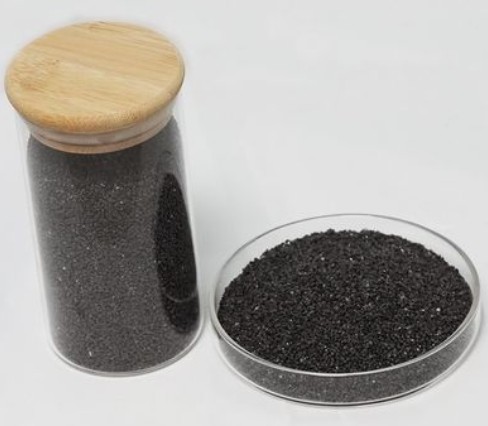
Carbon silicon carbide materials offer very high hardness, excellent thermal shock resistance, strong wear resistance, and stability in aggressive chemical environments. These properties make them ideal for refractory linings, abrasive grains, kiln furniture, and semiconductor equipment parts that must endure extreme temperature and mechanical stress.
In addition, silicon carbide's thermal conductivity helps manage temperature gradients, while carbon components can provide tailored electrical and thermal characteristics for specific applications.
The primary users of carbon silicon carbide in South Korea include steel and metallurgical plants, cement and glass producers, and advanced ceramic manufacturers. These industries use SiC‑containing refractories and components to improve lining life and reduce energy consumption.
Rapidly growing sectors such as semiconductor and power electronics also rely heavily on silicon carbide wafers, focus rings, and CVD‑grade components, many of which incorporate carbon silicon carbide concepts in their design.
Buyers can verify quality by reviewing the supplier's certifications, testing methods, and material specifications, and by requesting detailed inspection reports and certificates for each batch. It is also advisable to conduct internal lab testing or third‑party evaluations on sample shipments before approving large‑scale orders.
For critical applications, pilot installations and long‑term performance monitoring provide further assurance that the materials meet safety, lifetime, and productivity targets.
Combining Korean suppliers with Chinese OEM producers allows buyers to leverage the strengths of both sides. Chinese OEMs such as Dragon Abrasives Group Limited can deliver large volumes of carbon silicon carbide grains and raw materials at competitive prices and with flexible customization.
Korean partners then add high‑value processing, precision machining, branding, and local technical service, resulting in finished products that meet strict performance standards while keeping overall costs under control.
New buyers should start by defining clear technical requirements and performance targets, including service temperatures, expected lifetime, and environmental constraints. They should then shortlist potential Korean suppliers based on specialization, experience, and references, and request technical data, samples, and trial orders.
After successful testing, buyers can negotiate long‑term contracts, align logistics with any Chinese OEM partners involved, and establish communication channels for ongoing technical support and continuous improvement.


