
Views: 222 Author: Wendy Publish Time: 2025-12-01 Origin: Site


Content Menu
● Understanding Alumina Silicon
● Alumina Silicon in Russian Heavy Industry
● Evolution of Alumina and Silicon Production in Russia
● Key Properties of Alumina Silicon for Abrasives and Refractories
● Russian Alumina Silicon Industry Landscape
● Representative Alumina Silicon Manufacturers and Suppliers in Russia
● Typical Alumina Silicon Product Portfolio
● Applications of Alumina Silicon from Russian Suppliers
● Market Conditions and Competitiveness of Russian Alumina Silicon
● How to Select Alumina Silicon Suppliers in Russia
● Working with a Chinese Alumina Silicon Partner Alongside Russian Sourcing
● Alumina Silicon vs Other High-Temperature Materials
● FAQ: Alumina Silicon and Russian Manufacturers
>> 1. What is Alumina Silicon and why is it important for industrial applications?
>> 2. Which industries typically use Alumina Silicon products from Russian manufacturers and suppliers?
>> 3. How can buyers evaluate the quality of Alumina Silicon from Russian suppliers?
>> 4. Are Alumina Silicon products from Russia competitive compared with other global sources?
Alumina Silicon materials play a vital role in modern abrasives, refractories, and metal casting applications, and Russia hosts several important producers serving both domestic and export markets. For global buyers in the grinding and refractory industries, understanding the main Alumina Silicon manufacturers and suppliers in Russia helps optimize sourcing, cost, and long-term technical performance.[11][12][13][14]

Alumina Silicon usually refers to material systems containing both alumina and silicon-based phases such as silica, silicon carbide, or aluminium–silicon alloys, used in high-temperature and high-wear industrial environments. These Alumina Silicon combinations provide a balance of hardness, thermal shock resistance, and corrosion resistance that makes them ideal for abrasives, refractories, and alloying applications.[12][15][11]
Alumina Silicon ceramics and refractories are widely used in furnaces, kilns, foundry equipment, and chemical reactors. In the abrasives industry, high-grade alumina and silicon-based materials are blended or used together to manufacture grinding wheels, cutting tools, blasting media, and polishing products.[16][17][11][12]
Russia's heavy industry relies heavily on Alumina Silicon systems for steelmaking, non-ferrous metallurgy, cement, glass, and petrochemical processing. These industries require Alumina Silicon refractories for ladles, tundishes, blast furnace linings, and high-intensity burners, as well as Alumina Silicon abrasives for cutting and grinding.[4][13][11][12]
Russian aluminium producers also depend on silicon and alumina-based products to refine alumina, produce aluminium–silicon alloys, and manufacture alumina-based cutting tools and wear components. Silicon production and alloying tablets supply the country's aluminium alloy industry with critical Alumina Silicon inputs for casting and extrusion operations.[13][18][19][4]
The development of Alumina Silicon capacity in Russia is closely linked to the growth of its aluminium and silicon metal industries over the last century. Large alumina refineries built in regions such as the Urals and Siberia were designed to feed domestic aluminium smelters and later became key nodes in the Alumina Silicon value chain.[2][6]
Modern Russian alumina complexes can produce millions of tonnes of alumina annually, supplying both smelters and downstream applications such as white fused alumina for abrasives and refractories. At the same time, silicon metal plants provide alloying silicon for aluminium–silicon alloys, though some capacity has recently been idled because of competition from lower-priced imports.[3][5][6][4]
Alumina Silicon materials offer a combination of properties that make them highly attractive to the abrasives and refractory sectors. By carefully optimizing alumina content, silicon-based phases, and grain size, manufacturers can tailor Alumina Silicon solutions to very demanding service conditions.[20][21][11][12]
Typical benefits of Alumina Silicon include:[11][12]
- High hardness and strength, enabling Alumina Silicon abrasives to cut difficult metals and superalloys efficiently.
- Strong thermal shock and corrosion resistance when silicon carbide or silica phases are incorporated into Alumina Silicon refractories.
- High melting point and refractoriness, allowing Alumina Silicon to maintain structural integrity above 1600–1700°C in steel and glass furnaces.[16][11]
- Excellent wear resistance and long service life, which help reduce media consumption and lining maintenance in grinding and furnace operations.[17][12]
These performance advantages explain why many plants upgrade from basic fireclay refractories to Alumina Silicon solutions when targeting longer campaign life and reduced downtime.[22][16]
Russia has historically maintained a strong primary aluminium and silicon industry, with integrated operations from bauxite and alumina to aluminium and silicon products that underpin Alumina Silicon technologies. In the Alumina Silicon value chain, Russian companies supply silicon metal, alumina, and derived alloys that feed into refractories, abrasives, and advanced ceramics manufacturing.[18][2][4][12]
In recent years, parts of the silicon metal segment have come under pressure from aggressive foreign competition, leading to reduced output and plant closures. Even so, vertically integrated groups continue to develop white fused alumina, refined alumina products, and silicon-based materials, which together support domestically produced Alumina Silicon refractories, abrasives, and aluminium–silicon alloys.[5][6][3][4]
The Russian market features a mix of large vertically integrated metals companies and specialized material producers engaged in alumina, silicon, and Alumina Silicon-based products. While specific supplier portfolios evolve, international buyers typically encounter three major groups when sourcing Alumina Silicon in Russia.[4][13]
First, large aluminium and silicon producers operate alumina refineries, white fused alumina lines, and silicon metal plants that provide the essential raw materials for Alumina Silicon systems. These groups often supply white fused alumina for abrasives and refractories, as well as silicon metal for aluminium–silicon alloys and master alloys.[6][15][13][4]
Second, specialized refractory and ceramic manufacturers in Russia formulate Alumina Silicon bricks, castables, and monolithic products. Many of these suppliers serve steel, cement, glass, and non-ferrous customers, integrating high-purity alumina and silicon-based raw materials into customized Alumina Silicon refractories for different zones of a furnace or kiln.[22][11][16]
Third, abrasive and surface-conditioning producers use fused alumina and silicon-based grains to create Alumina Silicon abrasive media for grinding wheels, coated abrasives, and blasting products. Their Alumina Silicon offerings can include macrogrits, microgrits, and specialty blends designed for high-efficiency grinding of alloy steels, cast iron, and non-ferrous metals.[23][12][17]
Because company structures, ownership, and export policies may shift, buyers are advised to verify the current product scope, Alumina Silicon grades, and international shipment capability of each Russian supplier before placing orders.[5][13]
Russian Alumina Silicon manufacturers and suppliers generally offer a wide portfolio of products targeting high-temperature and high-wear applications. The product range covers both raw materials and engineered components that integrate Alumina Silicon chemistries into practical industrial solutions.[21][12][20][11]
Common Alumina Silicon product categories include:[12][11]
- Alumina Silicon refractory bricks and shapes for blast furnaces, basic oxygen furnaces, ladles, tundishes, burners, and kiln cars.
- Alumina Silicon castables, ramming mixes, and gunning materials for monolithic linings in steel, cement, and glass plants.
- Alumina Silicon-based kiln furniture, radiant tubes, burner nozzles, and saggars used in ceramic and powder-metallurgy kilns.
- Alumina Silicon abrasives such as fused alumina grains, silicon-containing blends, and specialty grinding media for precision grinding and blasting.[17][12]
- Aluminium–silicon alloy ingots, master alloys, and alloying tablets used to adjust composition and casting performance in aluminium foundries.[15][13]
In practice, many end users rely on a combination of Alumina Silicon bricks and monolithics in a single unit, for example by using shaped Alumina Silicon bricks in high-stress zones and Alumina Silicon castables in backup areas.[11][22]
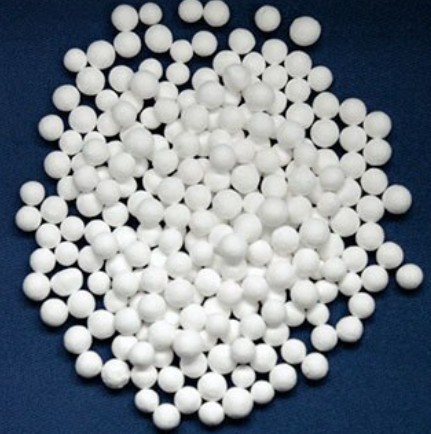
Alumina Silicon refractories and abrasives supplied from Russia are used across many industrial segments that demand resistance to heat, wear, and chemical attack. The performance of Alumina Silicon materials in these sectors directly impacts productivity, energy consumption, and maintenance costs.[18][12][22][11]
Major application areas for Russian Alumina Silicon products include:[12][11]
- Steel and non-ferrous metallurgy, where Alumina Silicon bricks and castables line converters, electric arc furnaces, ladles, launders, and continuous casting equipment.
- Cement and lime, which use Alumina Silicon linings for rotary kilns, preheaters, and clinker coolers to handle abrasion from raw materials and high flame temperatures.
- Glass and ceramics, where Alumina Silicon refractories withstand corrosive glass melts and temperature cycling in melting tanks, forehearths, and kiln furniture.
- Chemicals and petrochemicals, requiring corrosion-resistant Alumina Silicon linings for reactors, reformers, and high-temperature transfer lines.[16][11]
- Foundry and casting, where aluminium–silicon alloys and Alumina Silicon refractories support holding furnaces, troughs, molds, and thermal processing equipment.[15][22]
In abrasives, Alumina Silicon grains produced with Russian alumina are used to manufacture grinding wheels, segments, and coated abrasives that process steel, tools, bearings, and automotive parts. Shot blasting and surface preparation applications also make use of Alumina Silicon-based abrasives for cleaning, peening, and surface roughening.[23][17][12]
The competitiveness of Russian Alumina Silicon materials depends on a combination of raw material costs, energy prices, logistics, and trade conditions. Silicon metal in particular has faced downward price pressure due to increased imports from lower-cost regions, contributing to capacity reductions and temporary plant shutdowns.[1][7][3][5]
Nevertheless, Russia remains an important player in alumina and aluminium–silicon alloy production, with vertically integrated producers maintaining efficient alumina refineries and smelters. For some customers, proximity to Russian suppliers and established logistics routes can offset market volatility and create attractive sourcing options for Alumina Silicon products.[8][10][1][6]
Choosing the right Alumina Silicon manufacturer or supplier in Russia requires careful analysis of technical and commercial factors. For international abrasives and refractories buyers, a structured supplier evaluation process can reduce risk and ensure long-term performance of Alumina Silicon solutions.[17][22][11][12]
Key selection criteria for Alumina Silicon suppliers in Russia include:[11][12]
- Technical capability and experience with alumina, silicon, and Alumina Silicon formulations tailored to specific industries (steel, cement, glass, non-ferrous).
- Quality systems, certifications, and testing facilities supporting full traceability of Alumina Silicon batches and adherence to international standards.
- Breadth and depth of the Alumina Silicon portfolio, including bricks, castables, kiln furniture, abrasives, and alloying materials.
- Export track record and familiarity with customs, documentation, and compliance requirements for target regions.
- R&D capability and willingness to co-develop custom Alumina Silicon solutions, for example by adjusting mineralogy, grain size, or bonding systems.
Evaluating trial batches of Alumina Silicon refractories or abrasives under real operating conditions is often the most reliable way to confirm a supplier's performance claims. Long-term partnerships with technically strong suppliers allow continuous optimization of Alumina Silicon linings and grinding media as process conditions evolve.[22][12][17][11]
Many global buyers choose to cooperate with specialized Chinese manufacturers and exporters that understand Alumina Silicon technology and Russian supply chains. Such partners can integrate Alumina Silicon products from different origins, including Russia, and offer customized blending, sizing, and packaging solutions for abrasives and refractories.[23][12][17][11]
A professional Chinese supplier focused on abrasives and refractory materials can help you in several ways:[12][11]
- Benchmarking Russian Alumina Silicon products against Chinese and other international alternatives in terms of cost, performance, and delivery time.
- Designing tailored Alumina Silicon solutions (for example, optimized grain size distributions or brick designs) based on your process data and operating conditions.
- Managing logistics, documentation, and quality control when sourcing Alumina Silicon from Russia or combining Russian materials with other raw materials.
If your company is looking for stable Alumina Silicon supply for grinding, blasting, or high-temperature furnaces, partnering with an experienced Chinese manufacturer and exporter can significantly simplify technical communication and reduce sourcing risk.[22][11]
When selecting high-temperature materials, many engineers compare Alumina Silicon with alternatives such as pure alumina, silicon carbide, or fireclay refractories. Each option provides a different balance of cost, thermal resistance, mechanical strength, and installation requirements, so understanding where Alumina Silicon fits is critical.[24][16][11]
In general, Alumina Silicon offers higher performance than fireclay and can provide better thermal shock resistance than some pure alumina products, especially when silicon carbide is incorporated. Silicon carbide alone may offer superior thermal conductivity, but Alumina Silicon systems can combine its benefits with the structural strength of alumina, often at a more optimized cost-performance ratio.[24][16][11]
Alumina Silicon materials are at the core of Russia's high-temperature and high-wear industries, supplying critical functionality to steel, aluminium, cement, glass, and chemical producers. Russian Alumina Silicon manufacturers and suppliers, together with specialized international partners, offer a wide range of refractories, abrasives, and aluminium–silicon alloys for demanding applications around the world.[13][4][11][12]
For global buyers, understanding the strengths of Alumina Silicon and carefully selecting Russian suppliers based on technical capability, product range, and export experience is essential to achieving long service life and stable performance in furnaces, kilns, and grinding operations. Cooperation with an expert Chinese manufacturer and exporter of abrasives and refractory materials can further optimize Alumina Silicon solutions, combining local knowledge, flexible customization, and global logistics to support your production lines.[17][11][12]
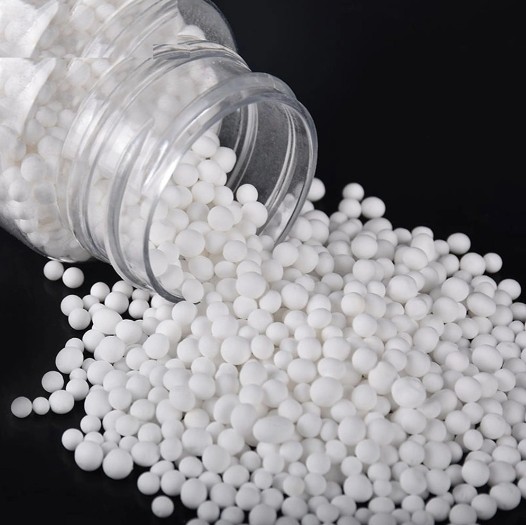
Alumina Silicon describes material systems that combine alumina with silicon-containing phases such as silica, silicon carbide, or aluminium–silicon alloys to achieve a balance of hardness, thermal stability, and corrosion resistance. In industrial practice, Alumina Silicon is critical for refractory linings and abrasives that must withstand extreme temperatures, mechanical impact, and aggressive chemical environments in steel, cement, glass, and chemical plants.[15][11][12]
Russian Alumina Silicon manufacturers and suppliers primarily serve steel and non-ferrous metallurgy, cement and lime, glass, ceramics, and petrochemical plants that require durable refractories and abrasives. Foundries and aluminium producers also rely on Alumina Silicon alloys and refractories for casting, holding furnaces, and high-temperature launders.[4][18][15][11]
Buyers should review chemical composition, physical properties, and test certificates for each Alumina Silicon batch, focusing on density, porosity, strength, and thermal shock resistance. Site audits, third-party laboratory tests, and performance trials in actual furnaces or grinding operations provide additional assurance of consistent Alumina Silicon quality from Russian suppliers.[11][12][17][22]
Russian Alumina Silicon products can be competitive, especially in heavy-industry applications where integrated alumina and silicon production provides cost and logistics advantages. However, market conditions such as energy costs, sanctions, and competition from lower-cost regions can impact price and availability, so buyers often compare Russian Alumina Silicon with Chinese and other international alternatives.[19][5][13][4]
Yes, working with a Chinese specialist in abrasives and refractory materials can help buyers assess Russian Alumina Silicon options, customize material solutions, and manage cross-border logistics. Such partners can blend Alumina Silicon materials, design application-specific refractories and abrasives, and provide technical support for installation and performance monitoring in end-use equipment.[23][12][17][11]
[1](https://www.grandviewresearch.com/horizon/outlook/silicon-metal-market/russia)
[2](https://www.tms.org/pubs/journals/jom/9608/smirnov-9608.html)
[3](https://www.alcircle.com/news/rusal-to-shut-kremniy-silicon-plant-as-imports-undercut-domestic-supply-116279)
[4](https://rusal.ru/en/clients/)
[5](https://united24media.com/latest-news/chinas-cheap-silicon-crushes-russias-industry-rusal-forced-to-close-flagship-factory-13516)
[6](https://www.hkexnews.hk/listedco/listconews/sehk/2024/0426/2024042604499.pdf)
[7](http://infomineo.com/industries/economics/impact-russia-ukraine-war-on-aluminum-industry/)
[8](https://www.wazokucrowd.com/challenges/rusal-challenge-new-products-and-materials-based-on-aluminium/)
[9](https://www.usitc.gov/sites/default/files/publications/701_731/pub5058.pdf)
[10](https://www.prnewswire.co.uk/news-releases/silicon-metal-market-size-projected-to-expand-to-usd-10-7-billion-by-2031-exhibiting-5-1-cagr-transparency-market-research-inc-302214360.html)
[11](https://sanhuiabrasives.com/blog/applications-of-alumina-and-silicon-carbide-in-refractory-materials.html)
[12](https://www.surfaceconditioning.saint-gobain.com/blog-events/enhanced-alumina-particles-abrasive-applications)
[13](https://rusal.ru/en/clients/catalog/kremniy/)
[14](https://www.volza.com/company-profile/aluminium-silicon-mill-product-16716822/)
[15](https://en.wikipedia.org/wiki/Aluminium%E2%80%93silicon_alloys)
[16](https://www.earthwaterfire.com/technical-ceramics-materials/)
[17](https://www.azom.com/article.aspx?ArticleID=18300)
[18](https://pmc.ncbi.nlm.nih.gov/articles/PMC12195317/)
[19](https://www.alcircle.com/press-release/rusal-launches-import-substitution-project-for-alloying-tablets-used-in-aluminium-production-114918)
[20](https://www.blaschceramics.com/materials/alumina-bonded-silicon-carbide)
[21](https://patents.google.com/patent/US4069060A/en)
[22](https://yumoabrasive.com/blog-refractory-materials)
[23](http://www.puliteabrasives.com/case/Application_of_white_Fused_Alumina_in_refractory_industry.html)
[24](https://moatcity.com/blog-kiln-furniture/recrystallized-silicon-carbide-vs-other-high-temperature-materials-how-to-choose-the-right-material/)


