
Views: 222 Author: Leah Publish Time: 2025-12-12 Origin: Site


Content Menu
● Fundamentals of Alumina and Silicon Carbide
● Why These Materials Matter to German Industry
● Overview of the German Abrasives and Ceramics Landscape
● Key Silicon Carbide and Ceramics Specialists in Germany
>> ESK‑SIC GmbH
● Supporting Silicon and Powder‑Based Suppliers
● Dragon Abrasives Group Limited: A Global Alumina and SiC Partner
● How Dragon Abrasives Supports German Clients
● Typical Products Sourced for the German Market
● How German Buyers Collaborate With Overseas Suppliers
● Quality and Certification Requirements
● Logistics and Supply Chain Considerations
● Trends Shaping Alumina and SiC Demand in Germany
● Digitalization and Technical Service
● Sustainability and Environmental Expectations
● Building Long‑Term Partnerships in the Alumina–SiC Supply Chain
● FAQ
>> 1. What industries in Germany rely most on alumina and silicon carbide?
>> 3. What advantages does Dragon Abrasives Group Limited offer compared with other global suppliers?
>> 5. Is demand for alumina and silicon carbide in Germany expected to grow in the coming years?
Germany has built a strong reputation as a leading European hub for advanced abrasives, technical ceramics, and refractory solutions powered by premium alumina and silicon carbide materials. For global buyers, the country represents both a demanding end market and a strategic location for partnering with high‑quality Alumina Silicon Carbide Manufacturers and Suppliers across the entire industrial value chain.[1][2]
For Chinese producers such as Dragon Abrasives Group Limited, Germany is one of the most important destinations for abrasives and refractory raw materials, including fused alumina and silicon carbide grains. By combining German engineering excellence with competitive and reliable supplies from international Alumina Silicon Carbide Manufacturers and Suppliers, industrial users gain access to high‑performance grinding, cutting, blasting, and thermal‑management solutions.[3][4]
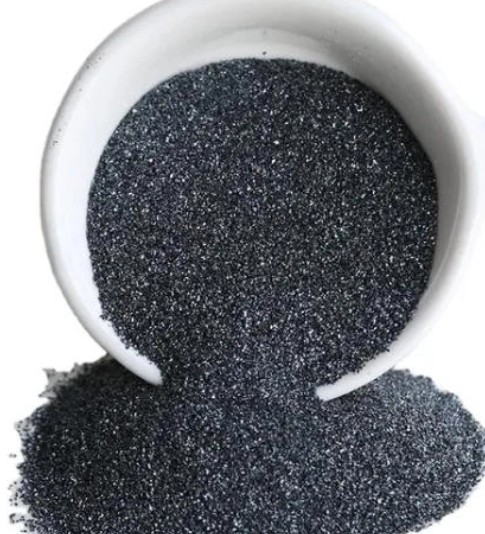
Alumina (aluminum oxide) is a hard, high‑melting‑point oxide widely used in abrasive grains, refractories, ceramics, and polishing applications. It offers a combination of hardness, toughness, and thermal stability that makes it ideal for grinding steel, casting metals, and surface preparation.[2][5]
Silicon carbide (SiC) is a synthetic carbide produced in electric furnaces from silica and carbon, featuring extreme hardness and excellent thermal shock resistance. It is particularly suited for grinding hard and brittle materials, heavy‑duty blast cleaning, and high‑temperature refractory components.[5][6]
Together, these materials form the backbone of many German abrasive and refractory products, and they are central to the business models of Alumina Silicon Carbide Manufacturers and Suppliers serving the region.[1]
Germany's industrial structure is heavily oriented toward automotive, metalworking, mechanical engineering, and construction, all of which rely on high‑efficiency cutting and grinding operations. The country also maintains a strong base in kiln and furnace construction, foundries, and technical ceramics, where refractories and engineered ceramics play critical roles.[4][2]
In this context, alumina and silicon carbide are not generic raw materials but carefully specified inputs that determine productivity, component quality, and cost of ownership. German buyers expect consistent particle size distributions, controlled chemistry, and stable mechanical performance from Alumina Silicon Carbide Manufacturers and Suppliers to ensure reproducible tool and refractory performance.[2][1]
Germany's abrasive product manufacturing industry is recognized as one of Europe's largest and most technologically advanced, with a wide range of bonded, coated, and superabrasive tools. Many of these tools are built around alumina and silicon carbide grains that are imported, locally processed, or both, depending on product type and performance level.[1][2]
The country also hosts a sophisticated technical ceramics and high‑temperature materials sector, which increasingly uses silicon carbide and alumina in structural ceramics, kiln furniture, and wear‑resistant components. This creates multiple entry points for Alumina Silicon Carbide Manufacturers and Suppliers that can serve both traditional abrasives and advanced ceramics customers.[6][4]
Although not all German companies focus on bulk abrasive grains, several important materials specialists shape the expectations placed on silicon carbide and alumina products.
Schunk Technical Ceramics, part of the Schunk Group, is a prominent German manufacturer of high‑performance silicon carbide ceramics and components for mechanical and thermal applications. The company offers several SiC material variants designed for high wear resistance, high temperatures, and aggressive environments, including pump parts, kiln furniture, and high‑precision structural components.[6]
These engineered materials set benchmarks for the performance and reliability that downstream users expect when evaluating silicon carbide from Alumina Silicon Carbide Manufacturers and Suppliers.[6]
ESK‑SIC GmbH operates as a specialist silicon carbide producer with a strong focus on sustainability and resource efficiency. The company recovers and refines silicon carbide from various sources, transforming waste streams into high‑quality SiC products for abrasives, refractories, and technical ceramics.[7]
This approach shows how German industry integrates environmental responsibility and cost efficiency, encouraging global Alumina Silicon Carbide Manufacturers and Suppliers to match similar environmental standards.[7]
In addition to direct SiC and ceramic producers, Germany is home to several silicon and powder companies that supply critical raw materials to alumina‑SiC systems.
RW silicium GmbH operates arc furnaces that convert quartz into metallurgical‑grade silicon and then process it into tailored powders for downstream sectors, including ceramics and refractories. These powders complement alumina and silicon carbide formulations used in composite and advanced materials.[8]
PCC Thorion GmbH develops high‑purity silicon powders and related products, especially for advanced technologies such as energy storage and high‑tech materials. Expertise in fine powders and controlled particle properties overlaps with the requirements of Alumina Silicon Carbide Manufacturers and Suppliers that develop sophisticated composite systems.[8]
Dragon Abrasives Group Limited, based in Zhengzhou, China, is a professional producer and exporter of abrasives and refractory raw materials with a strong presence in the global market. The company invests in production lines for brown fused alumina, white fused alumina, single crystal fused alumina, zirconia alumina, and silicon carbide, providing a wide portfolio for abrasives and refractories.[3]
Dragon Abrasives Group Limited exports its products to numerous countries and regions worldwide, positioning itself as a key member of the international Alumina Silicon Carbide Manufacturers and Suppliers network that serves German buyers. The company also supplies processed abrasive tools such as cutting wheels, grinding wheels, and coated abrasives built on its own alumina and SiC raw materials.[9][10]
For German customers, working with Dragon Abrasives Group Limited offers several important advantages that complement local production and distribution.
First, the company can supply a complete range of alumina and silicon carbide grades—from macrogrits to microgrits—allowing customers to cover everything from rough grinding to precision polishing. This simplifies procurement and reduces the need to manage multiple Alumina Silicon Carbide Manufacturers and Suppliers for different grit sizes and product types.[10][3]
Second, Dragon Abrasives Group Limited offers flexible packaging, including standard bags, big bags, and customized packaging solutions that match German storage and handling systems. Combined with sea, rail, and air shipment options, this flexibility ensures reliable deliveries into Germany's main industrial regions and ports.[9][10]
Third, the company provides technical communication and support to help German abrasives and refractory producers select the correct alumina or silicon carbide grade for their specific applications. Whether the requirement is for high‑toughness brown fused alumina in cutting wheels or sharp green SiC in precision grinding, the company works as a technical partner rather than a commodity supplier.[10][3]
German manufacturers and converters source a variety of alumina and silicon carbide products from international Alumina Silicon Carbide Manufacturers and Suppliers.
- Brown fused alumina is widely used in resin‑bonded cutting and grinding wheels, rough grinding segments, and blast cleaning media where toughness and cost balance are important.[3]
- White fused alumina serves in high‑precision grinding and polishing tools, as well as high‑purity refractory applications where low contamination is essential.[3]
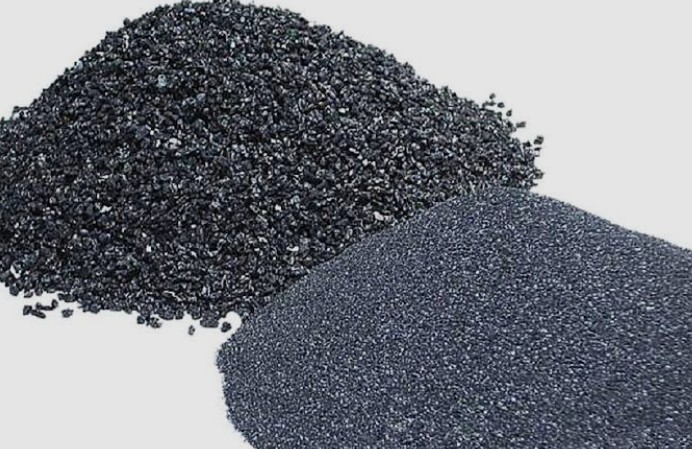
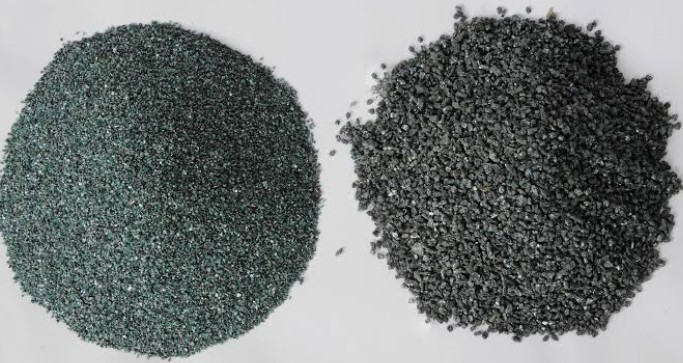
- Black silicon carbide is employed in foundry additives, metallurgical treatments, and general‑purpose blasting, as well as some grinding applications.[5]
- Green silicon carbide is preferred for grinding hard alloys, ceramics, glass, and carbide tools, as well as for high‑temperature, high‑purity refractories.[5]
Dragon Abrasives Group Limited provides each of these key product families, positioning itself as a comprehensive source for German Alumina Silicon Carbide Manufacturers and Suppliers and their customers.[10]
German industrial buyers are known for rigorous supplier qualification and long‑term cooperation models. When working with global Alumina Silicon Carbide Manufacturers and Suppliers, they typically follow structured approaches to ensure performance, reliability, and compliance.[2]
Important collaboration elements include multi‑stage sampling and trial phases, where candidate alumina and silicon carbide grains are evaluated in real production environments before approval. These tests may cover grinding efficiency, wheel life, surface finish, kiln performance, or refractory durability, depending on the application.[1][2]
Once materials are qualified, buyers often establish framework contracts that define quality specifications, delivery schedules, and documentation requirements. Overseas suppliers such as Dragon Abrasives Group Limited must provide detailed certificates of analysis, batch traceability, and, increasingly, sustainability‑related data to maintain preferred‑supplier status.[4][3]
Quality, consistency, and documentation are at the center of relationships between German industries and Alumina Silicon Carbide Manufacturers and Suppliers.
Many German buyers require suppliers to operate under recognized quality management systems and to align with European standards and norms relevant to abrasives and refractory products. This includes management of raw materials, in‑process controls, and final inspection procedures for alumina and silicon carbide grains.[4][2]
In addition, environmental and occupational health considerations play an increasing role. German customers often evaluate whether Alumina Silicon Carbide Manufacturers and Suppliers follow responsible energy use, emissions control, and waste management practices in their production facilities. Chinese suppliers that invest in modern, efficient furnaces and dust‑control systems are better positioned to meet these expectations.[11][3]
Supplying alumina and silicon carbide from Asia to Germany requires careful logistics planning to keep lead times and costs under control. Dragon Abrasives Group Limited typically relies on sea freight for bulk cargo, combined with inland rail and truck transport within Europe.[9][4]
For urgent or specialized shipments, air freight can be used to deliver small volumes of high‑value alumina or silicon carbide grades directly to German warehouses or production sites. Coordinated planning, buffer stocks, and flexible shipment scheduling help German customers maintain production continuity while benefiting from the cost advantages of global Alumina Silicon Carbide Manufacturers and Suppliers.[4][10]
Several ongoing trends are influencing how alumina and silicon carbide are specified and sourced in Germany.
The push toward higher machining productivity and automation drives demand for abrasives with improved cut rates and longer life, which often rely on upgraded alumina and silicon carbide grain technologies. At the same time, lightweight materials, harder alloys, and advanced coatings in automotive and aerospace require abrasives that can handle more challenging grinding conditions.[2][4]
In refractories and technical ceramics, energy efficiency and longer service life encourage the adoption of silicon carbide and high‑grade alumina components that resist thermal shock and chemical attack. These trends create opportunities for Alumina Silicon Carbide Manufacturers and Suppliers that can develop specialized grades and collaborate closely with German end users.[7][6]
Digital tools and data‑driven approaches are increasingly used to optimize grinding and refractory operations in German industry. This development affects how alumina and silicon carbide suppliers interact with their customers.[2]
Manufacturers and suppliers that can provide structured data on grain properties, performance correlations, and cost‑in‑use models help German customers select materials more systematically. Dragon Abrasives Group Limited and similar Alumina Silicon Carbide Manufacturers and Suppliers can add value by offering technical documentation, case‑study data, and remote support alongside their products.[3][4]
Digital communication also allows faster feedback cycles for sample trials, enabling quicker optimization of alumina or silicon carbide selections across different product lines in Germany.[1]
Sustainability has become a central theme in German industrial purchasing decisions, including raw materials such as alumina and silicon carbide. Industrial customers increasingly assess the carbon footprint of their supply chains, as well as waste and emissions associated with material production.[11]
This shift creates an incentive for Alumina Silicon Carbide Manufacturers and Suppliers to upgrade furnaces, optimize energy consumption, and establish recycling initiatives similar to the approaches seen at some German SiC producers. By investing in modern production lines and transparent environmental reporting, companies like Dragon Abrasives Group Limited can better align with German market expectations.[7][3]
Successful participation in the German market requires more than just competitive pricing for alumina and silicon carbide grains. Long‑term success hinges on technical competence, responsive service, and continuous improvement.[2]
For Dragon Abrasives Group Limited, this means maintaining stable quality from batch to batch, expanding its grade portfolio, and strengthening communication with German customers about changes in requirements or standards. Acting as a reliable partner among global Alumina Silicon Carbide Manufacturers and Suppliers, the company can support customers through market fluctuations and evolving technical needs.[10][3]
By combining the strengths of German engineering and Chinese manufacturing at scale, both sides can create a resilient and efficient value chain for alumina and silicon carbide that benefits end users in multiple industries.[4]
Germany's position as an advanced manufacturing powerhouse depends heavily on reliable supplies of high‑performance alumina and silicon carbide to support abrasives, refractories, and technical ceramics. Local specialists in silicon carbide ceramics, silicon powders, and engineered materials establish demanding standards that shape expectations across the broader network of Alumina Silicon Carbide Manufacturers and Suppliers.[8][6][7][2]
For international partners like Dragon Abrasives Group Limited, Germany offers an attractive yet demanding market in which quality, consistency, and technical collaboration matter as much as cost. By offering a broad portfolio of alumina and silicon carbide products, flexible logistics, and responsive technical support, Dragon Abrasives Group Limited positions itself as a trusted member of the global Alumina Silicon Carbide Manufacturers and Suppliers community serving German industry.[9][10][3]
The main users of alumina and silicon carbide in Germany are the automotive, metalworking, mechanical engineering, and construction industries, which require large volumes of grinding and cutting tools. In addition, foundries, kiln and furnace builders, and technical ceramics producers depend on alumina and silicon carbide‑based refractories and structural ceramics.[4][2]
Suppliers serving Germany typically operate under structured quality management systems, apply strict raw material controls, and maintain detailed inspection procedures for grain size, purity, and physical properties. They also provide certificates of analysis, batch traceability, and technical support so German customers can integrate alumina and silicon carbide into their processes with confidence.[3][2]
Dragon Abrasives Group Limited offers a wide range of brown and white fused alumina, multiple silicon carbide grades, and related abrasive tools, allowing customers to cover many applications through one source. The company combines competitive pricing with flexible packaging, diverse logistics options, and technical assistance, making it an attractive partner among international Alumina Silicon Carbide Manufacturers and Suppliers for German buyers.[9][10][3]
German industrial customers increasingly consider environmental performance and sustainability when evaluating alumina and silicon carbide suppliers. Factors such as energy efficiency, emissions control, recycling initiatives, and transparent environmental reporting can significantly influence a supplier's acceptance and long‑term position in the German market.[11][7]
Market studies suggest that Germany's abrasive and coated abrasive sectors will continue to grow, driven by automation, new materials, and ongoing metalworking activity. This growth, along with developments in technical ceramics and refractories, implies sustained or increasing demand for high‑quality alumina and silicon carbide from both domestic and international Alumina Silicon Carbide Manufacturers and Suppliers.[12][11][2][4]
[1](https://www.vds-bonn.de/en/grinding/the-abrasives-industry)
[2](https://www.ibisworld.com/germany/industry/abrasive-product-manufacturing/1448/)
[3](http://www.caec-abr.com/en_index.html)
[4](https://www.databridgemarketresearch.com/reports/europe-abrasive-market)
[5](https://canabrasive.com/blog/top-silicon-carbide-manufacturers-worldwide.html)
[6](https://www.schunk-group.com/technical-ceramics/en/materials/silicon-carbide)
[7](https://ensun.io/search/recrystallized-silicon-carbide-rsic-beam/germany)
[8](https://silicon-powders.com/article/german-silicon-powder-suppliers/)
[9](http://www.abrasivesunion.com/companies/show_detail/6208)
[10](https://www.stonecontact.com/suppliers-175691/dragon-abrasives-group-limited)
[11](https://www.grandviewresearch.com/horizon/outlook/metal-abrasives-market/germany)
[12](https://www.marketresearchfuture.com/reports/germany-coated-abrasives-market-45712)


