
Views: 222 Author: Leah Publish Time: 2025-12-09 Origin: Site


Content Menu
● What Is Silicon Carbide Sandblasting?
● Black and Green Silicon Carbide Grades
● Silicon Carbide in the Arabian Industrial Landscape
● Key Application Sectors in Arabia
>> Oil and Gas and Petrochemicals
>> Construction, Infrastructure, and Civil Works
>> Automotive, Transportation, and Metal Fabrication
>> Stone, Ceramic, and Glass Processing
● Role of Global Exporters such as Dragon Abrasives
● Supply Chain Structure into Arabia
● How Silicon Carbide Improves Blasting Performance
● Factors to Consider When Selecting Suppliers
>> Logistics, Packaging, and Support
● Quality Criteria and Testing
● Cost, Value, and Lifecycle Considerations
● Environmental, Health, and Safety Aspects
● The Future of Silicon Carbide in Arabia
● FAQ
>> 1. Why is silicon carbide preferred over traditional sand in Arabian blasting projects?
>> 2. How do buyers in Arabia decide between black and green silicon carbide?
>> 3. What advantages do international exporters offer to Arabian customers?
>> 4. What information should be included in a technical inquiry to silicon carbide suppliers?
>> 5. How can companies in Arabia reduce the total cost of silicon carbide blasting?
Silicon carbide sandblasting manufacturers and suppliers in Arabia support a wide range of industrial sectors where reliable, high‑performance surface preparation is essential. Their products are used in demanding environments across oil and gas, construction, metal fabrication, and stone processing, where stable abrasive quality directly influences coating life and equipment reliability.
As global trade in abrasives becomes more specialized, cooperation between local silicon carbide sandblasting manufacturers and suppliers in Arabia and experienced international exporters such as Dragon Abrasives Group Limited in China is becoming increasingly important. By integrating global production capacity with regional distribution networks, buyers gain access to consistent, high‑grade silicon carbide abrasives tailored to local technical standards and project conditions.
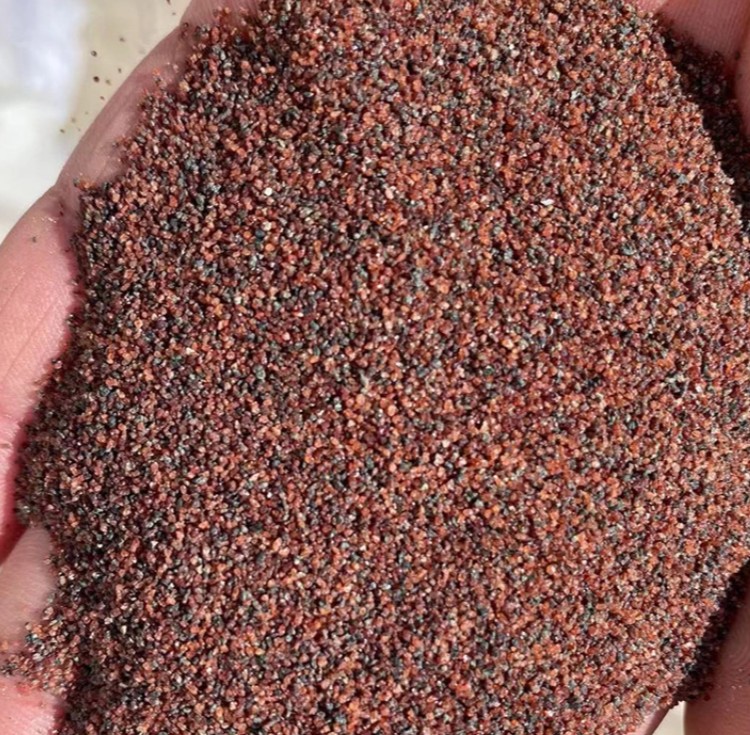
Silicon carbide is a synthetic abrasive produced by fusing high‑purity silica with carbon materials at very high temperatures, forming an extremely hard, angular grain ideal for blasting and grinding. In sandblasting, it is used to clean, roughen, or precisely texture metal, stone, ceramic, and composite surfaces before coating or further processing. Compared with conventional mineral sands, silicon carbide's hardness and sharpness provide rapid material removal, tighter control of surface profile, and longer media life.
Because of these properties, silicon carbide sandblasting manufacturers and suppliers can offer solutions that reduce blasting time and abrasive consumption while improving coating adhesion. In Arabia's climate, where high temperatures and dust can make surface preparation more difficult, silicon carbide's durability and stability provide a significant advantage over softer or more friable media.
Most silicon carbide sandblasting manufacturers and suppliers provide both black and green silicon carbide to address different application requirements. Black silicon carbide is the more common blasting grade; it is tough, sharp, and cost‑effective, making it suitable for heavy rust removal, weld cleaning, scale removal, and preparation of castings and steel structures. Its toughness allows repeated impacts before breakdown, helping maintain productivity on large industrial jobs.
Green silicon carbide is purer and slightly more brittle, delivering an even sharper cutting edge that is ideal for precision finishing, high‑grade coated abrasives, and applications where very fine surface finishes are specified. In Arabia, green silicon carbide is often selected for specialized components, cutting tools, and high‑value surfaces that require aggressive but controlled micro‑cutting rather than bulk material removal. Together, black and green silicon carbide give manufacturers and suppliers a flexible toolbox for matching abrasive performance to diverse project needs.
Arabia's industrial base has expanded rapidly, driven by large‑scale investment in oil and gas, petrochemicals, power generation, transportation, and infrastructure. These sectors rely heavily on high‑integrity coatings, corrosion protection, and precision mechanical components, all of which begin with proper surface preparation. As a result, demand for reliable silicon carbide sandblasting manufacturers and suppliers in Arabia has grown along with project complexity and quality expectations.
From offshore platforms and pipelines to structural steel in major construction projects, surface cleanliness and profile directly influence coating performance and long‑term maintenance costs. Silicon carbide abrasives offer the consistency and aggressiveness required to meet international standards for blast cleanliness, making them a preferred option where failure is not acceptable. Local distributors, regional converters, and global producers work together to keep silicon carbide available in suitable grades and packaging throughout the region.
In the oil and gas sector, silicon carbide sandblasting manufacturers and suppliers support a wide range of maintenance and construction tasks. Pipelines, storage tanks, heat‑exchanger shells, and offshore structures all require thorough blasting to remove mill scale, old coatings, and corrosion before applying high‑performance protective systems. Given the severe service conditions and exposure to saline or chemically aggressive environments, coating systems must adhere perfectly, which depends on achieving consistent surface roughness and cleanliness.
Silicon carbide's cutting power allows technicians to reach these standards even on heavily corroded or pitted steel, reducing the number of blasting passes needed and helping keep maintenance shutdowns within tight schedules. Abrasive performance and stability are especially critical in confined spaces, where reliable media flow and predictable breakdown behavior help maintain productivity and safety.
In construction and civil engineering, silicon carbide sandblasting manufacturers and suppliers provide abrasives for steel structures, bridges, rebar, and exposed architectural features. Structural steel destined for harsh outdoor conditions needs robust protective coatings, and surface preparation with silicon carbide ensures strong mechanical bonding between the substrate and coating. This is particularly important in coastal Arabian regions where high humidity and salt exposure accelerate corrosion.
Concrete and stone surfaces also benefit from silicon carbide blasting. Light blasting or texturing can open pores, remove laitance, and improve bonding for repair mortars, overlays, and decorative finishes. When working with architectural stone, controlled blasting with carefully selected silicon carbide grit sizes creates uniform textures and visual effects while minimizing damage to edges and fine details.
Automotive, rail, and general metal fabrication industries rely on silicon carbide abrasives for cleaning, deburring, and finishing metal components. Silicon carbide sandblasting manufacturers and suppliers in Arabia support these sectors with products that can remove welding spatter, oxidation, and light distortion while maintaining dimensional accuracy. This is important for parts that must meet tight tolerances or go through subsequent precision machining or coating stages.
In remanufacturing and refurbishment operations, such as engine rebuilding, axle repair, or heavy‑equipment overhauls, silicon carbide helps restore surfaces by stripping worn coatings and contaminants without excessive base metal loss. As local value‑added manufacturing grows in Arabia, consistent supplies of silicon carbide blasting media are integral to meeting quality, productivity, and export‑grade finish requirements.
The stone and ceramic industries use silicon carbide for both cutting and blasting operations. Manufacturers of tiles, slabs, and architectural stone value the abrasive for its ability to shape, grind, and texture dense materials that would quickly wear down softer abrasives. Silicon carbide sandblasting manufacturers and suppliers often supply special grain ranges for honing, matte finishing, anti‑slip textures, and decorative etching.
In glass and advanced ceramic applications, carefully controlled silicon carbide blasting can be used for frosting, patterning, or preparing surfaces for specialized coatings. Here, consistent grain size distribution and low impurity levels are critical, as any variation can lead to visible defects or localized chipping. Suppliers who understand these sensitivities can help designers and processors achieve attractive and repeatable surface appearances.
Dragon Abrasives Group Limited represents the type of integrated producer–exporter that increasingly partners with silicon carbide sandblasting manufacturers and suppliers in Arabia. With a wide portfolio that typically includes black and green silicon carbide, fused alumina, glass beads, and other abrasives, such companies can serve wholesalers, tool makers, and large end‑users with coordinated shipments of multiple products.
Export‑oriented manufacturers invest in quality control, grading technology, and packing facilities to ensure that abrasives arrive in Arabia with stable properties and minimal contamination. They also understand documentation and certification requirements, which simplifies customs clearance and acceptance testing. For Arabian buyers, working with experienced exporters reduces risks of inconsistent quality or supply interruptions and allows long‑term planning for critical maintenance and project cycles.
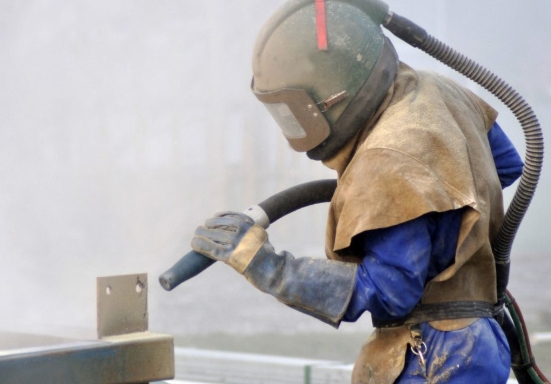
The supply chain for silicon carbide sandblasting manufacturers and suppliers serving Arabia usually begins with large production plants, often in Asia or other resource‑rich regions, where silicon carbide is smelted, crushed, and classified into standardized grain sizes. Bulk shipments in jumbo bags or containers are then transported to Arabian ports, where local agents or distributors handle offloading, warehousing, and customs processes.
Local silicon carbide sandblasting manufacturers and suppliers may repackage the material into smaller bags, customize labeling for specific projects, or blend different grain sizes to produce proprietary blasting products. These suppliers then deliver to contractors, OEMs, and service companies either directly or through regional stock points. This layered system combines the economies of scale of global production with the responsiveness and cultural familiarity of local distribution.
Silicon carbide's Mohs hardness, which is near that of diamond, and its angular particle shape give it exceptional cutting ability. During blasting, the sharp edges of the grains dig into the substrate, dislodging corrosion, scale, or coating in a highly efficient manner. This cutting action produces a clean, well‑defined surface profile that promotes mechanical interlocking of paint, lining, or thermal spray coatings.
Another major advantage for silicon carbide sandblasting manufacturers and suppliers is the material's high wear resistance. Because each grain can survive many impacts before breaking down, media consumption per square meter of blasted surface is typically lower than with softer abrasives. For operators in Arabia facing rising operating costs and strict schedules, this translates into reduced abrasive handling, lower disposal volumes, and fewer interruptions for media replenishment.
When evaluating silicon carbide sandblasting manufacturers and suppliers, buyers should examine technical capabilities as closely as commercial terms. Reliable suppliers provide detailed specifications for each product, including chemical composition, hardness values, grain size distributions, bulk density, and typical impurity levels. They also maintain batch‑level quality control records and can provide test certificates on request.
Close collaboration between technical teams is especially important for critical applications such as pressure vessels, pipelines, and marine structures, where coatings must comply with international standards. By sharing target surface profiles, cleanliness grades, and coating data sheets, buyers and suppliers can jointly select the most suitable silicon carbide grade and grit size, reducing the risk of rework or premature coating failure.
Beyond technical data, practical considerations also influence supplier selection. Silicon carbide sandblasting manufacturers and suppliers in Arabia need to ensure that abrasives arrive on time and in packaging suited to the customer's equipment and storage conditions. Common formats include multi‑layer 25 kg bags, palletized loads, and 1‑ton jumbo bags, often with moisture protection to withstand high temperatures and humidity.
Local stockholding and regional warehouses provide a buffer against shipping delays and sudden demand changes. Suppliers who maintain safety stock of key silicon carbide grades near major industrial hubs can respond quickly to unplanned shutdowns, emergency repairs, or project accelerations. Technical service – such as on‑site tests, troubleshooting of flow problems, and training in abrasive selection – further distinguishes leading suppliers from purely transactional traders.
To ensure that silicon carbide blasting media performs consistently, buyers should define clear quality criteria in their purchase specifications. Typical parameters include minimum silicon carbide content, maximum allowable iron oxide or free carbon, and acceptable ranges of bulk density and moisture. Grain size distribution should conform to recognized standards, and test methods should be agreed in advance to avoid disputes.
Regular incoming inspections, even if limited to spot checks, help verify that shipments from silicon carbide sandblasting manufacturers and suppliers match contract requirements. Simple sieving tests, density measurements, and visual inspections for contamination or excessive dust can catch problems early. For critical surfaces, some users perform comparative blasting trials when switching suppliers or batches to confirm that surface profiles and cleaning rates remain within tolerance.
Although silicon carbide is generally more expensive per unit weight than many traditional blasting abrasives, total cost of ownership often favors its use in demanding applications. Because it cuts faster and lasts longer, less abrasive is needed to achieve the same or better results. Reduced blasting time also impacts labor, equipment rental, and energy consumption, yielding significant savings at project scale.
From a lifecycle perspective, the quality of surface preparation influences how long a coating system will survive before major maintenance is required. Using consistent, well‑matched silicon carbide from reliable sandblasting manufacturers and suppliers increases the likelihood that coatings reach or exceed their design life. For owners of high‑value assets such as refineries, petrochemical complexes, and offshore platforms, the long‑term benefits of robust preparation can far outweigh marginal differences in abrasive price.
Modern blasting operations increasingly prioritize environmental and worker safety considerations. Silicon carbide abrasives used in properly designed blast systems can help reduce free silica exposure compared with traditional sands, supporting compliance with evolving occupational health standards. Closed‑circuit or recyclable systems make it possible to recover and reuse much of the abrasive until it reaches an end‑of‑life particle size.
Silicon carbide sandblasting manufacturers and suppliers can assist customers in selecting suitable containment, ventilation, and dust‑control measures for their processes. By providing safety data sheets, handling guidelines, and advice on waste management, suppliers contribute to safer workplaces and more sustainable operations. This support is particularly valuable in Arabia, where industrial growth is often accompanied by modern HSE frameworks and regulatory expectations.
Looking ahead, silicon carbide is likely to remain a core abrasive for many critical Arabian industries. Growth in renewable energy, advanced ceramics, and high‑voltage electronics may create new niches where silicon carbide's electrical and thermal properties are as important as its mechanical strength. Meanwhile, traditional sectors such as oil and gas and construction will continue to rely on proven, efficient blasting solutions.
As technology advances, silicon carbide sandblasting manufacturers and suppliers may introduce more specialized products, such as tighter‑graded media for robotic blasting, low‑dust formulations for confined spaces, or blends tailored to specific coating systems. Strong partnerships between Arabian users, regional distributors, and global producers like Dragon Abrasives will be central to translating these innovations into practical industrial benefits.
Silicon carbide sandblasting manufacturers and suppliers in Arabia form a vital link in the performance chain of many strategic industries, from energy and infrastructure to transportation and advanced manufacturing. Their ability to provide consistent, high‑quality abrasives directly affects the durability of coatings, the reliability of equipment, and the efficiency of maintenance and construction projects.
By working closely with technically capable local distributors and globally experienced exporters such as Dragon Abrasives Group Limited, buyers in Arabia can design supply strategies that balance cost, availability, and technical performance. As industrial standards rise and projects grow more complex, these collaborative relationships will help ensure that silicon carbide continues to deliver reliable, high‑value blasting solutions across the region.
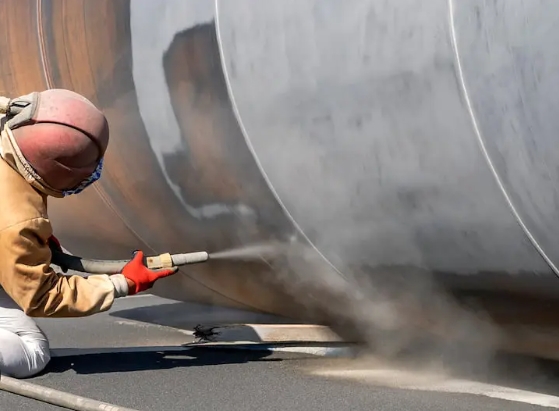
Silicon carbide is much harder and sharper than natural sand, so it removes corrosion, coatings, and scale more quickly while generating a precise, consistent surface profile for coatings. This efficiency reduces blasting time, abrasive consumption, and overall project costs, which is especially valuable in large‑scale Arabian maintenance and construction work.
Black silicon carbide is the standard choice for heavy‑duty blasting of steel, castings, and stone because it combines high toughness with strong cutting power. Green silicon carbide is selected when higher purity and very sharp cutting edges are needed, such as in precision finishing, tool production, and specialized ceramic or glass applications.
International exporters like Dragon Abrasives combine large‑scale production, broad product portfolios, and experienced logistics teams, enabling reliable deliveries to Arabian ports and free zones. Their technical expertise and strong quality systems help ensure consistent silicon carbide specifications, while cooperation with local distributors adds responsiveness and on‑the‑ground service.
A thorough inquiry should specify the required silicon carbide grade (black or green), grain size standard, target surface profile, cleanliness level, and any limits on impurities such as iron oxide. Buyers should also request typical physical properties, packaging preferences, anticipated consumption rates, and delivery schedules so suppliers can design an optimal supply proposal.
Companies can reduce total cost by carefully matching abrasive grade and size to each application, using recyclable blasting systems where feasible, and standardizing specifications across projects. Long‑term partnerships with capable silicon carbide sandblasting manufacturers and suppliers support better pricing, reliable stock levels, and continuous improvement in productivity and abrasive usage.


