
Views: 222 Author: Leah Publish Time: 2025-12-14 Origin: Site


Content Menu
● Understanding Carbon Silicon Carbide
● Why Spain Is a Strategic Location
● Key Spanish Silicon Carbide Companies
● Navarro SiC: The Core SiC Producer
● Arcillas Refractarias (ARCIRESA): Refractory‑Oriented SiC
● Abrasive Manufacturers and Converters in Spain
● The Spanish Abrasive and Refractory Ecosystem
● Dragon Abrasives Group Limited: A Global Partner
● Typical Specifications from Carbon Silicon Carbide Manufacturers and Suppliers
● How to Evaluate and Select Suppliers
● Practical Applications in Industry
● Building Long‑Term Partnerships
● FAQ
>> 1) Why are Spanish carbon silicon carbide manufacturers and suppliers attractive to European buyers?
>> 2) What is the difference between black and green silicon carbide in abrasive applications?
>> 3) How can international suppliers like Dragon Abrasives Group Limited complement Spanish producers?
>> 4) What should buyers look for when qualifying a new silicon carbide supplier?
Spain has developed a strong position in the European abrasives and refractories market thanks to its well‑established base of silicon carbide producers, converters, and distributors. For global buyers seeking reliable Carbon Silicon Carbide manufacturers and suppliers, understanding the Spanish landscape is a key step in building a stable and efficient sourcing strategy. At the same time, cooperation with experienced international partners such as Dragon Abrasives Group Limited allows Spanish and European users to widen their technical options and secure capacity.
The global transition toward higher efficiency, lower emissions, and more durable materials continues to increase demand for high‑performance silicon carbide. This trend benefits both Spanish producers and overseas Carbon Silicon Carbide manufacturers and suppliers that focus on advanced grades for abrasives, refractories, ceramics, and metallurgical processes. Buyers who can navigate this network of suppliers and understand the role of each type of company will be better prepared to choose the right material and negotiate long‑term agreements.
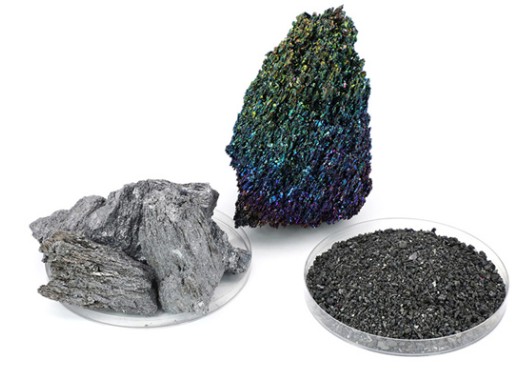
Carbon silicon carbide usually refers to silicon carbide materials that either contain a controlled level of free carbon or are optimized for applications where carbon plays a key role in performance. In practice, most carbon silicon carbide manufacturers and suppliers provide a range of black and green silicon carbide grains and powders, sometimes along with specialized carbon‑rich formulations for refractories and metallurgical use. These products vary in purity, particle size, density, and microstructure.
Black silicon carbide is commonly used in grinding wheels, cutting wheels, and pressure blasting because of its extreme hardness and sharp, blocky grain shape. Green silicon carbide typically features higher purity and is preferred for precision grinding, advanced refractories, and technical ceramics where contamination must be minimized. For carbon silicon carbide manufacturers and suppliers, the challenge is to balance hardness, toughness, thermal stability, and cost to match the buyer's application.
Spain is strategically located for supplying silicon carbide to customers throughout Europe, North Africa, and the Mediterranean region. With strong transport infrastructure, modern ports, and efficient road connections, Spanish carbon silicon carbide manufacturers and suppliers can respond quickly to demand from steel plants, foundries, automotive suppliers, and ceramic producers. Being inside the European Union also simplifies customs and regulatory compliance for EU buyers.
Equally important, Spain combines domestic production of primary silicon carbide with a vibrant ecosystem of abrasive converters, refractory producers, and distributors. This mix of upstream and downstream capabilities allows Spanish companies to offer both standard products and carefully engineered solutions. As a result, carbon silicon carbide manufacturers and suppliers operating in Spain are able to serve small niche users and large multinational corporations with the same level of technical attention.
Spain hosts several notable companies that shape the country's carbon silicon carbide landscape. Navarro SiC is widely recognized as the only Spanish producer of primary silicon carbide, operating large‑scale furnaces and processing lines devoted to SiC grains and powders. Downstream, companies such as Arcillas Refractarias (ARCIRESA), Abrasteel Abrasivos, and Nova Abrasivos use or distribute silicon carbide in refractories, bonded abrasives, coated abrasives, and related products.
Navarro SiC's role is especially important because it anchors the local supply of raw silicon carbide. Many other carbon silicon carbide manufacturers and suppliers in Spain rely on its grains or similar materials from overseas producers as the base for their own value‑added products. In parallel, Spanish abrasive converters and refractory specialists focus on optimizing bonding systems, shapes, dimensions, and installation methods while sourcing SiC from the most appropriate primary producers.
Navarro SiC has been manufacturing silicon carbide for decades and today stands as a cornerstone of the Spanish and European SiC supply chain. As a primary producer, the company controls the entire production route from raw materials through electric resistance furnaces to crushing, classification, and packaging. Its portfolio ranges from standard black silicon carbide grains for abrasives to high‑purity and fine powder grades for advanced applications.
For customers searching for carbon silicon carbide manufacturers and suppliers in Europe, Navarro SiC offers clear advantages. It can provide stable quality grounded in long operating experience, together with flexibility in grain size distribution, chemical composition windows, and packing formats. Buyers working in bonded and coated abrasives, kiln furniture, and technical ceramics frequently look to such primary producers when they need consistent batches for large‑scale production runs or when they require customized grades for difficult operating conditions.
Arcillas Refractarias S.A., often abbreviated as ARCIRESA, specializes in refractory materials and includes silicon carbide among its key products. The company's portfolio typically covers both black and green SiC grades suitable for high‑temperature environments, aggressive slags, and harsh furnace atmospheres. By combining silicon carbide with other refractory components, ARCIRESA designs bricks, castables, and shapes that can withstand thermal shock and chemical attack.
In the broader group of carbon silicon carbide manufacturers and suppliers, ARCIRESA represents the link between SiC production and real‑world furnace performance. Users in steelmaking, foundries, non‑ferrous metallurgy, and kiln operation rely on such refractory specialists to translate material data sheets into lining systems that actually deliver longer service life. Through technical support, lining design, and on‑site evaluation, ARCIRESA and similar companies help customers exploit the full potential of silicon carbide in demanding installations.
Spain's abrasive industry includes a wide range of manufacturers and converters that integrate silicon carbide into grinding wheels, cutting discs, sanding belts, waterproof papers, and non‑woven products. Companies such as Abrasteel Abrasivos and Nova Abrasivos focus on transforming grains and backing materials into finished tools ready for industrial use. In many cases, they rely on black silicon carbide for its aggressive cutting action on hard and brittle substrates.
These abrasive specialists play an essential role among carbon silicon carbide manufacturers and suppliers because they sit closest to the final user. Their engineers and sales teams receive direct feedback from workshops, automotive repair centers, construction firms, and metal fabrication shops about tool performance and failure modes. This information then feeds back into decisions about SiC grain type, grit size, concentration, bonding system, and even the mix between silicon carbide and other abrasives such as fused alumina or zirconia alumina.
The strength of Spain's position in carbon silicon carbide lies not only in individual companies but in the broader ecosystem. Primary SiC production, refractory design, abrasive conversion, and distribution channels all coexist in a relatively compact geographic area. This clustering encourages collaboration, quick problem solving, and the exchange of technical ideas, which are essential for continuous improvement in such a competitive sector.
For example, when a steel plant experiences premature wear in a furnace lining or when an automotive component supplier needs faster grinding with lower tool wear, local Spanish partners can interact quickly to test new SiC grades or adjust product formulations. Close ties between carbon silicon carbide manufacturers and suppliers, research institutions, and industrial users also support innovation in recycling spent refractories, reducing dust emissions, and improving energy efficiency during firing and sintering.
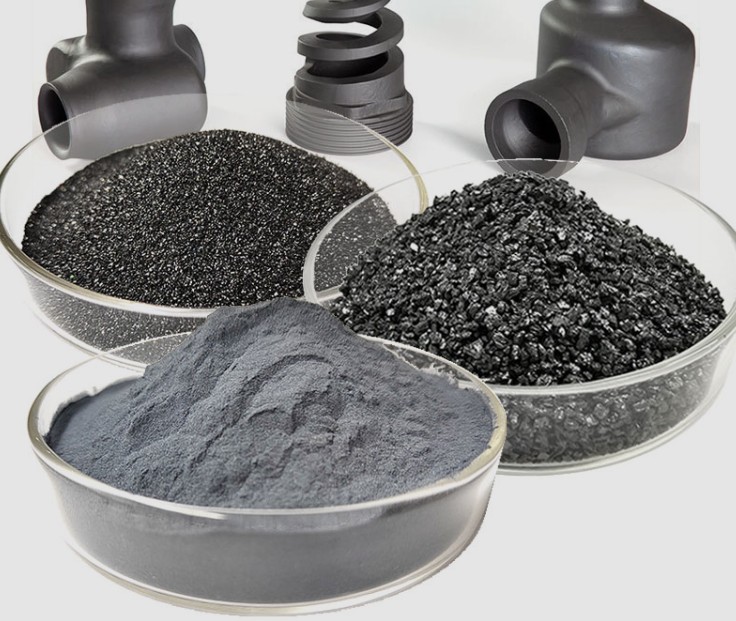
While Spain has strong domestic capabilities, international suppliers remain vital to securing resilient and cost‑effective silicon carbide supply. Dragon Abrasives Group Limited, a professional Chinese producer and exporter of abrasives and refractories, exports black and green silicon carbide, fused alumina, and related products to customers worldwide. Its experience serving diverse markets makes it an important partner for distributors and users in Europe, including Spain.
For buyers and distributors, partnering with Dragon Abrasives Group Limited offers several benefits. As one of the global carbon silicon carbide manufacturers and suppliers, the company can provide a broad spectrum of grain sizes, from macrogrits suitable for blasting and cutting to microgrits used in lapping and polishing. It can also support customized packaging, stable long‑term contracts, and technical consultation on how to match silicon carbide specifications to particular applications. When combined with Spanish manufacturers and converters, such cooperation creates a robust and flexible supply chain.
Regardless of location, carbon silicon carbide manufacturers and suppliers usually present their products in terms of a few standard parameters. Color and type (black or green) represent the first distinction. Black silicon carbide tends to be slightly tougher and is widely used for general grinding of non‑ferrous metals, stone, cast iron, and certain ceramics. Green silicon carbide is sharper and more brittle but has higher purity, making it suitable for grinding hard metals, glass, and high‑tech ceramics.
Grain size is another fundamental parameter. Manufacturers classify grains according to international standards such as FEPA or ANSI, specifying ranges of particle diameters that define macrogrits (for example, 16, 24, 36) and microgrits (such as F240, F400, F800). Carbon silicon carbide manufacturers and suppliers also provide data on chemical composition—especially SiC content, free carbon, and impurity levels of iron, silicon dioxide, and aluminum oxide—as well as physical properties like specific gravity and bulk density. Buyers must match these characteristics to the demands of their grinding wheels, coated abrasives, or refractory formulations.
When selecting among multiple carbon silicon carbide manufacturers and suppliers in Spain and abroad, buyers should consider both technical and commercial criteria. On the technical side, reliable quality management systems and traceability are essential. Suppliers should be able to provide consistent batches, detailed certificates of analysis, and access to technical staff who understand how changes in grain size or chemistry will affect tool performance or lining life.
From a commercial standpoint, logistics and service can be just as important as the SiC itself. Lead times, minimum order quantities, stock locations, and emergency supply options all affect the true cost of ownership. Buyers often find that working with a combination of local carbon silicon carbide manufacturers and suppliers and established international partners gives them more negotiating power and security. This dual‑sourcing strategy ensures that a sudden outage or price fluctuation at one producer does not compromise production schedules.
Silicon carbide's unique combination of hardness, thermal conductivity, and chemical stability makes it indispensable across multiple industries. In steelmaking and foundries, SiC‑based refractories resist erosion from molten metal and slag, while carbon‑containing SiC bricks reduce heat loss and improve furnace efficiency. Carbon silicon carbide manufacturers and suppliers that serve this sector must understand how furnace atmospheres, cycling temperatures, and mechanical stresses influence material choice.
In the abrasive industry, SiC grains are the primary cutting agents in grinding wheels and coated abrasives used on non‑ferrous metals, concrete, stone, and composites. The ability of carbon silicon carbide manufacturers and suppliers to tune grain shape, size distribution, and surface treatment can significantly affect cutting speed and product life. Meanwhile, in technical ceramics and electronics, high‑purity silicon carbide powders are used to make wear‑resistant components, kiln furniture, and, in advanced fields, substrates and devices for power electronics.
Given the complexity of modern supply chains, long‑term partnerships with trustworthy carbon silicon carbide manufacturers and suppliers are more valuable than ever. Instead of focusing solely on short‑term price, savvy buyers evaluate suppliers on their capacity for joint development, responsiveness, and willingness to invest in tailored solutions. For example, a supplier might collaborate with a customer to develop a special SiC grade with improved friability for fast‑cutting coated abrasives or a refractory composition that extends campaign life in a specific furnace zone.
Spain's mixture of domestic SiC production, specialized refractories, and strong abrasive manufacturers provides a solid foundation for such partnerships. When combined with a global producer like Dragon Abrasives Group Limited, which brings additional scale and formulation experience, buyers can access a full spectrum of options. This approach supports not only current production needs but also future innovations in environmental performance, energy efficiency, and product lifespan.
Spain plays a crucial role in the global silicon carbide value chain through its combination of primary production, refractory design, abrasive manufacturing, and distribution. Companies such as Navarro SiC and ARCIRESA provide core materials and application expertise, while Spanish abrasive converters transform silicon carbide into high‑performance grinding and finishing tools. In parallel, international partners like Dragon Abrasives Group Limited expand the range of available grades and secure additional capacity.
By carefully evaluating technical specifications, quality systems, logistics, and the potential for joint development, industrial users can build robust, long‑term relationships with carbon silicon carbide manufacturers and suppliers in Spain and around the world. This strategic approach allows customers in steelmaking, foundries, ceramics, and surface finishing to reduce risk, improve performance, and unlock the full advantages of silicon carbide in their processes.
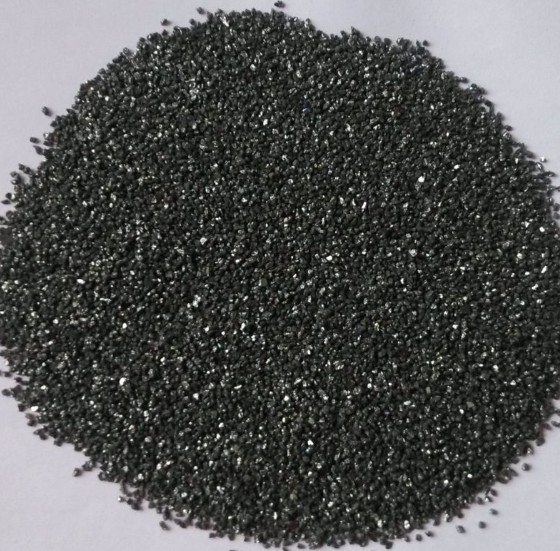
Spanish carbon silicon carbide manufacturers and suppliers are attractive because they combine local primary production, strong abrasive and refractory industries, and convenient EU‑based logistics. Buyers benefit from shorter lead times, simplified customs procedures, and close technical support from companies that understand European industrial standards and regulations.
Black silicon carbide is usually slightly tougher and is used widely for grinding and cutting non‑ferrous metals, stone, cast iron, and similar materials. Green silicon carbide has higher purity and a sharper but more brittle grain, making it ideal for high‑precision grinding and polishing of hard metals, glass, and technical ceramics where contamination must be minimized.
International suppliers such as Dragon Abrasives Group Limited add value by offering a broad product portfolio, large production capacity, and experience serving multiple global markets. When Spanish distributors or end users combine materials from both local and international carbon silicon carbide manufacturers and suppliers, they gain access to more options in grain size, purity, and pricing, while also improving supply security.
When qualifying a new silicon carbide supplier, buyers should evaluate quality certifications, consistency of chemical and physical properties, availability of technical data, and responsiveness to problem‑solving requests. It is also important to assess logistics capabilities, including stock locations and emergency supply arrangements, and to verify that the supplier has a clear understanding of the buyer's specific abrasive or refractory applications.
Dual sourcing reduces risk by ensuring that production does not depend on a single plant, region, or logistics route. If one supplier faces a temporary outage, transportation issue, or raw material shortage, the buyer can shift volumes to alternative carbon silicon carbide manufacturers and suppliers. This approach stabilizes supply, moderates price volatility, and encourages healthy competition and innovation among suppliers.


