
Views: 222 Author: Leah Publish Time: 2025-12-14 Origin: Site


Content Menu
● Understanding Carbon Silicon Carbide
● Why France Is Important for SiC
● Major French Silicon Carbide Players
>> Saint‑Gobain and Performance Ceramics
>> Mersen Boostec and High‑Precision SiC
>> Abrasive‑Grade SiC Suppliers in France
● France and SiC Power Electronics
● Dragon Abrasives Group Limited: Global SiC Partner
● How Dragon Abrasives Serves French Buyers
● Key Applications of SiC in France
>> Refractories and Kiln Furniture
>> Advanced Ceramics and Mechanical Components
>> Power Electronics and Energy Systems
● Choosing French Carbon Silicon Carbide Partners
● Local Versus Global SiC Supply Strategies
● Building Long‑Term Partnerships
● FAQ
>> 1. What is the difference between carbon silicon carbide and ordinary silicon carbide?
>> 2. Which industries in France use the most carbon silicon carbide?
>> 3. Why should a buyer consider French SiC manufacturers instead of only importing?
>> 4. How can Dragon Abrasives Group Limited cooperate with French companies?
>> 5. What factors are most important when choosing a carbon silicon carbide supplier?
Carbon Silicon Carbidemanufacturers and suppliers in France play a key role in global abrasive, refractory, and high‑tech industries. For international buyers, especially in segments such as grinding tools, kiln furniture, and power electronics, understanding these French Carbon Silicon Carbide manufacturers and suppliers is essential for building a resilient and competitive supply chain.
France combines advanced materials research with strong industrial traditions, making it a strategic location for both specialty silicon carbide components and bulk abrasive‑grade products. At the same time, cooperation with global exporters such as Dragon Abrasives Group Limited allows French users to balance local responsiveness with cost‑effective international sourcing.

Carbon silicon carbide, usually described simply as silicon carbide (SiC) with carefully controlled free carbon, is a synthetic material produced in electric resistance furnaces from high‑purity silica sand and carbon sources. In these furnaces, temperatures well above typical melting points allow silicon and carbon to react and crystallize into extremely hard and thermally stable SiC grains.
The resulting carbon silicon carbide is significantly harder than most conventional abrasives, shows excellent thermal conductivity, and resists chemical attack in many harsh environments. Because of this unique combination of properties, carbon silicon carbide manufacturers and suppliers can serve industries ranging from heavy grinding and cutting operations to advanced ceramics, semiconductor substrates, and even space telescope structures.
France has become a notable hub for carbon silicon carbide manufacturers and suppliers thanks to its strong research base, advanced ceramics industry, and growing involvement in the European semiconductor ecosystem. French companies contribute high‑value SiC solutions to areas such as refractories, kiln furniture, abrasives, and precision structures, while also supporting the rapid expansion of SiC power electronics for electric vehicles and renewable energy systems.
In addition, France benefits from its location inside the European Union, allowing French carbon silicon carbide manufacturers and suppliers to serve neighboring markets efficiently. Close ties with automotive, aerospace, and energy sectors mean that French SiC producers are often involved in demanding qualification programs and long‑term supply agreements, which helps drive continuous improvement in product quality and performance.
Saint‑Gobain is widely recognized as one of the major global producers of silicon carbide materials, and its operations in France are an important part of this footprint. The company offers a range of silicon carbide powders, grains, and advanced ceramic components used for abrasives, refractories, kiln furniture, wear‑resistant parts, and engineered systems.
Through its performance ceramics and refractory divisions, Saint‑Gobain supplies carbon silicon carbide to customers who require long service life, high thermal shock resistance, and consistent mechanical strength. French carbon silicon carbide manufacturers and suppliers in partnership with Saint‑Gobain often benefit from the company's research capabilities, technical support, and established quality systems that meet international standards.
Mersen Boostec, located in France, specializes in high‑purity silicon carbide structures used in demanding aerospace and astronomy applications. Instead of focusing on bulk abrasive grains, this company produces large, dimensionally stable SiC components such as mirror substrates for space telescopes and structural parts for high‑precision instruments.
This activity demonstrates the breadth of the French silicon carbide ecosystem. Carbon silicon carbide manufacturers and suppliers in France are not limited to commodity abrasives but can also design and manufacture complex, high‑value parts for extremely sensitive optical and mechanical systems. The expertise developed in these sectors often benefits other industries, as advanced processing and quality control methods can be adapted to more conventional markets.
Alongside large international groups, a range of French firms focus on abrasive‑grade silicon carbide and related products. These companies supply grains, powders, and specialty abrasive materials used in grinding wheels, cutting discs, coated abrasives, blasting media, and polishing compounds.
For end users in metalworking, stone processing, glass finishing, or surface preparation, French carbon silicon carbide manufacturers and suppliers can offer locally held stocks, rapid delivery, and technical assistance with product selection. Cooperation with distributors and converters further extends this reach, allowing customized abrasive solutions that match machine types, workpiece materials, and surface finish requirements.
Beyond conventional abrasive and refractory markets, France is actively involved in the shift toward silicon carbide power electronics. SiC power devices and substrates offer higher efficiency, better high‑temperature performance, and more compact system designs compared with traditional silicon technology. This is especially valuable in electric vehicle drive systems, fast chargers, photovoltaic inverters, and industrial power supplies.
French industrial policies and partnerships encourage development of a European supply chain for SiC wafers, epitaxial layers, and final power devices. Local and international companies cooperate to scale production of polycrystalline silicon carbide substrates and other upstream materials. In this context, carbon silicon carbide manufacturers and suppliers in France support both the research environment and the emerging high‑volume production of SiC‑based power components.
Dragon Abrasives Group Limited is a professional Chinese producer and exporter of abrasive and refractory raw materials, including black and green silicon carbide, fused alumina series, and other mineral products. With multiple facilities and a broad product portfolio, the company serves customers in many regions worldwide and understands the technical requirements of bonded abrasives, coated abrasives, refractory products, and blasting media.
For buyers in France, Dragon Abrasives Group Limited can act as a complementary source of carbon silicon carbide, providing stable quality at competitive cost levels. The company offers a wide range of SiC grit sizes, from macrogrits for general grinding and cutting wheels to microgrits and fine powders for lapping, polishing, and refractory applications. Clear labelling, quality certificates, and tailored packaging help French users integrate these materials smoothly into their existing manufacturing processes.
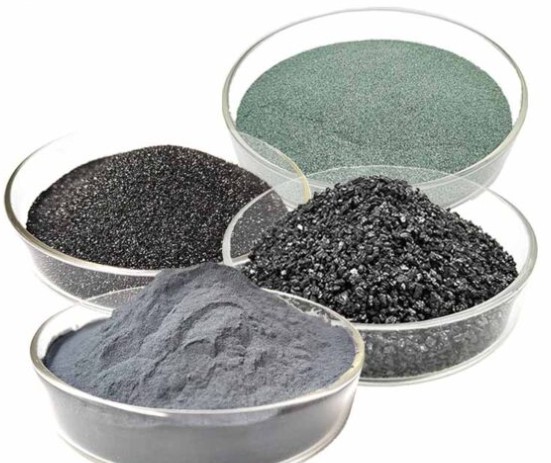
Cooperation between French companies and Dragon Abrasives allows carbon silicon carbide manufacturers and suppliers in France to secure additional capacity and flexibility. When local demand peaks or when customers require specific grades not readily available domestically, imported SiC from Dragon Abrasives can fill the gap while maintaining performance standards.
Dragon Abrasives focuses on:
- Consistent chemical composition, including controlled free carbon and low impurity levels suitable for demanding abrasive and refractory uses.
- Precise particle size distribution, ensuring repeatable grinding behavior and predictable surface finish across different batches.
- Export‑ready logistics, with experience handling documentation, customs procedures, and long‑distance shipping so that French customers receive shipments on schedule.
By combining these strengths with local technical support or cooperation partners in Europe, Dragon Abrasives can integrate smoothly into the supply networks of French carbon silicon carbide manufacturers and suppliers.
A primary outlet for carbon silicon carbide in France is the abrasive industry. SiC's high hardness and sharp fracture characteristics make it particularly effective for grinding hard metals, cast iron, stone, ceramics, and glass. French producers of grinding wheels, cutting discs, and coated abrasives rely on high‑quality silicon carbide grains to deliver aggressive cutting action, controlled wear, and accurate dimensional tolerances.
In addition, blasting and surface preparation applications use silicon carbide as a high‑performance alternative to conventional blasting media. Its combination of hardness and toughness enables fast cleaning and profiling of surfaces while maintaining media life. Carbon silicon carbide manufacturers and suppliers in France and abroad collaborate to provide the right balance between cost, performance, and environmental considerations.
Silicon carbide is also crucial in refractories and kiln furniture used by French steelmakers, foundries, ceramics producers, and glass plants. Refractory bricks and shapes containing SiC can withstand severe thermal cycling, corrosive slag attack, and mechanical stress, making them suitable for linings in furnaces, ladles, and kilns.
Kiln furniture made with silicon carbide offers excellent strength at high temperature and good resistance to thermal shock, helping to support ceramic ware with minimal deformation and long service life. By sourcing from reliable carbon silicon carbide manufacturers and suppliers, French refractory producers can ensure that their products meet demanding operating conditions while optimizing energy efficiency.
In addition to traditional refractories, advanced silicon carbide ceramics are used in mechanical seals, wear parts, nozzles, and flow control components across different French industries. These parts often operate in corrosive environments or under continuous high‑temperature service, where metallic solutions would suffer from rapid degradation.
Carbon silicon carbide manufacturers and suppliers that specialize in advanced ceramics typically provide not only raw materials but also design support, machining capabilities, and joining technologies. As a result, end users in fields such as chemical processing, power generation, and mining can specify silicon carbide components tailored to their equipment and process conditions.
The growth of electric vehicles and renewable energy has created new demand for silicon carbide in France's energy landscape. SiC power devices enable higher switching frequencies and better efficiency, which translate into smaller cooling systems, lighter power modules, and improved overall system performance.
French research institutions and industrial partners are exploring ways to further optimize these devices and to secure reliable access to wafer‑grade SiC materials. While this high‑tech segment involves different specifications than abrasive grains or refractory powders, it still depends on a robust base of carbon silicon carbide manufacturing and material science expertise.
When evaluating carbon silicon carbide manufacturers and suppliers in France, international buyers should follow a systematic approach that considers technical, commercial, and logistical factors. Clear communication of performance requirements and end‑use conditions is essential for finding the most suitable products and establishing long‑term cooperation.
Important aspects include:
- Product range and specialization: Some French suppliers focus on advanced ceramics or high‑precision SiC structures, while others emphasize abrasive grains or refractory powders. Matching the supplier's strengths to the buyer's application avoids compromises on performance or cost.
- Quality systems and certifications: Compliance with relevant standards and documented quality management systems gives confidence in batch‑to‑batch consistency. For critical industries such as automotive, aerospace, or energy, this is often a non‑negotiable requirement.
- Technical support and development capability: Access to application engineers, laboratory testing, and trial support helps optimize formulations and process parameters. This is particularly useful when introducing new carbon silicon carbide grades into existing production lines.
- Logistics, packaging, and documentation: Proper packaging, palletizing, and labelling, along with safety data sheets and analysis reports, streamline handling and regulatory compliance, especially when goods cross borders.
By assessing these elements, buyers can build a portfolio of trusted French carbon silicon carbide manufacturers and suppliers while also integrating global partners for additional flexibility.
A modern procurement strategy for silicon carbide rarely relies on a single source. Instead, many companies combine local French suppliers with international producers such as Dragon Abrasives Group Limited. This dual or multi‑source approach offers several advantages, including risk diversification, price optimization, and the ability to respond quickly to fluctuations in demand.
Local French carbon silicon carbide manufacturers and suppliers can typically provide shorter lead times, easier in‑person communication, and closer collaboration on product development. Global suppliers may offer broader product ranges, competitive pricing on bulk volumes, and access to alternative raw material sources. Together, they form a robust and resilient supply network that can support long‑term growth in abrasive, refractory, and high‑tech markets.
Successful collaboration between French carbon silicon carbide manufacturers and suppliers and international buyers depends on trust, transparency, and aligned expectations. Clear specifications, realistic delivery schedules, and open dialogue about capacity constraints or market conditions help prevent misunderstandings and production delays.
Regular technical reviews and joint improvement projects can further strengthen these relationships. For example, a French grinding wheel producer and a silicon carbide supplier might work together to fine‑tune grain morphology or surface treatment to improve wheel life or reduce grinding burn. Likewise, a refractory producer could cooperate with Dragon Abrasives to evaluate new carbon silicon carbide blends that offer better corrosion resistance or thermal shock performance at optimized cost.
France has developed a diverse and sophisticated ecosystem of carbon silicon carbide manufacturers and suppliers, ranging from global material leaders and high‑precision SiC structural specialists to abrasive‑grade grain producers and refractory material suppliers. This ecosystem serves critical applications in grinding, cutting, refractories, advanced ceramics, and fast‑growing power electronics sectors such as electric vehicles and renewable energy.
At the same time, international partners such as Dragon Abrasives Group Limited expand the options available to French users and global buyers by offering reliable, competitively priced carbon silicon carbide from outside Europe. By combining the strengths of French producers and experienced global exporters, companies across the abrasives, refractory, and high‑tech industries can secure the quality, consistency, and capacity they need. Carefully planned sourcing strategies, strong technical cooperation, and long‑term partnerships will ensure that carbon silicon carbide continues to support innovation and performance in demanding applications throughout France and beyond.
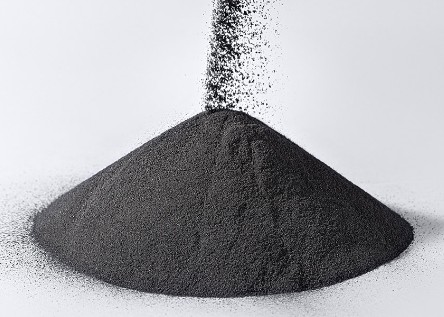
Carbon silicon carbide typically refers to silicon carbide materials that contain a controlled amount of free carbon alongside SiC crystals. Ordinary silicon carbide may be described only in terms of its SiC content without emphasizing free carbon control. In practice, both are part of the same material family, but specific grades are tailored for different applications through composition, microstructure, and processing.
In France, major users of carbon silicon carbide include the abrasive industry, refractory producers, advanced ceramics manufacturers, and increasingly the power electronics sector. These industries rely on silicon carbide for its hardness, temperature resistance, and efficiency advantages, whether in grinding wheels, kiln furniture, wear‑resistant parts, or high‑performance power devices.
Working with French carbon silicon carbide manufacturers and suppliers can provide shorter lead times, easier communication, and closer technical collaboration. Local partners may also better understand regional regulations and industry requirements. However, combining French sources with reputable international suppliers allows buyers to balance responsiveness with cost optimization and supply security.
Dragon Abrasives Group Limited can supply abrasive‑grade black and green silicon carbide, along with other mineral products, to French abrasive, refractory, and ceramic producers. By offering stable quality, flexible packaging, and export‑oriented logistics, the company can serve as a strategic second source or capacity extension for French carbon silicon carbide manufacturers and suppliers who need additional volumes or specific grades.
Key factors include product quality and consistency, availability of the required grades and grit sizes, reliability of delivery, technical support capabilities, and overall cost competitiveness. Buyers should also consider supplier experience in relevant industries and their willingness to engage in joint development or problem‑solving. Evaluating both local French partners and global suppliers against these criteria helps create a strong, diversified silicon carbide supply base.


