
Views: 222 Author: Wendy Publish Time: 2025-12-05 Origin: Site


Content Menu
● Understanding Silicon Carbide Sanding
● Why South Korea Is a Strong Source
● Main Forms of Silicon Carbide Sanding Products
>> Silicon Carbide Sanding Paper and Sheets
>> Silicon Carbide Sanding Belts
>> Silicon Carbide Sanding Discs and Flap Products
● Leading Korean Manufacturers and Material Suppliers
>> Kwang Myung Abrasives Co., Ltd.
>> Dong Kwang Micron Co., Ltd.
>> Korea Refractories Co., Ltd.
● Product and Market Platforms
● Key Advantages of Korean Silicon Carbide Sanding
● Typical Industrial Applications
>> Automotive Refinishing and Body Repair
>> Woodworking and Furniture Manufacturing
>> Electronics, Glass, and Precision Components
● How to Select a Korean Silicon Carbide Sanding Supplier
● Opportunities for Cooperation with Chinese OEM Factories
● Practical Tips for Using Silicon Carbide Sanding Products
● FAQ About Silicon Carbide Sanding
>> 1. What is silicon carbide sanding and where is it used?
>> 2. Why are Korean silicon carbide sanding products attractive to overseas buyers?
>> 3. Can silicon carbide sanding be used in both wet and dry modes?
>> 4. How should buyers choose the right grit for silicon carbide sanding?
>> 5. How can overseas companies start sourcing silicon carbide sanding from South Korea?
Silicon carbide sanding products play a vital role in modern surface preparation and finishing across automotive, metalworking, woodworking, electronics, and construction industries worldwide. Silicon carbide sanding media combine extremely high hardness with sharp cutting edges and excellent performance in both wet and dry environments, making them ideal for precision work and demanding applications. As a technologically advanced industrial hub, South Korea has become an important base for top Silicon Carbide Sanding manufacturers and suppliers in South Korea.[1][2]
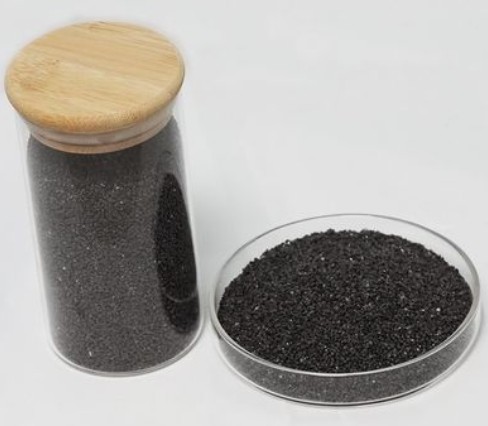
Silicon carbide sanding refers to the use of coated abrasives made with silicon carbide grains bonded to flexible backings such as paper, cloth, or film, which are then used for grinding, smoothing, and polishing various substrates. These silicon carbide sanding products are widely used on non-ferrous metals, stainless steel, glass, ceramics, composites, plastics, and painted surfaces because silicon carbide grains fracture in a controlled way to keep exposing new, sharp edges.[3][4]
Compared with many other abrasive materials, silicon carbide sanding media cut faster, leave a more consistent scratch pattern, and can handle delicate surfaces with minimal risk of deep gouges when used correctly. For this reason, silicon carbide sanding is especially popular in automotive refinishing, electronics manufacturing, and fine woodworking where surface quality is critical.[2][5]
South Korea's industrial base includes automotive, shipbuilding, steel, precision machining, electronics, and construction, all of which rely heavily on coated abrasives and high-performance sanding products. This ecosystem has encouraged the development of specialized manufacturers and material suppliers that focus on quality, precision, and process control, which are essential for reliable silicon carbide sanding products.[1][2]
Korean companies are typically known for:
- Modern production lines for coated abrasives, including precise coating and conversion of silicon carbide sanding products.
- Strong R&D in ceramics and abrasive grains, often supported by ISO-certified quality systems.
- A long history of exporting to Asia, Europe, the Middle East, and the Americas, providing international buyers with stable supply and technical support.[6][7]
Silicon carbide sanding products from South Korea cover a wide variety of forms that match different machines and applications. Common categories include:
Waterproof silicon carbide sanding paper is one of the most widely used forms, especially for automotive and metal finishing. It usually comes in standard sheet sizes and is engineered for both wet and dry operations. Wet sanding with silicon carbide sanding paper helps control dust, improves surface flatness, and produces very fine finishes before painting or polishing.[4][3]
Dry-use silicon carbide sanding sheets are also available, often with flexible paper or film backings that conform well to curves and complex shapes, making them suitable for woodworking and plastic finishing. These silicon carbide sanding sheets can range from coarse grits for rapid material removal to ultra-fine grits for final polishing.[5][8]
Silicon carbide sanding belts are used on belt sanders and wide-belt machines for continuous grinding and finishing operations. In Korean and global factories, these belts handle tasks such as deburring metal components, calibrating wooden panels, and finishing composite parts.[8][2]
The combination of sharp silicon carbide grains and robust cloth or paper backings ensures that silicon carbide sanding belts deliver high stock removal rates while maintaining dimensional accuracy and consistent finish over long production runs. Specialized silicon carbide sanding belts are also used for glass and stone processing where high hardness is essential.[2]
Silicon carbide sanding discs are designed for orbital sanders, angle grinders, and rotary tools. They are common in repair shops and manufacturing plants for spot grinding, edge finishing, and intermediate sanding steps. Hook-and-loop or PSA (pressure-sensitive adhesive) attachment systems make it easy to change silicon carbide sanding discs during work, saving time and maintaining productivity.[5][8]
Flap discs and flap wheels using silicon carbide grains combine flexibility with aggressive cutting, making them suitable for blending welds, removing oxidation, and preparing surfaces for coating. These silicon carbide sanding products are valued where operators need good control over contours and edges.[8][2]
South Korea's silicon carbide sanding landscape includes both coated abrasive converters and raw material suppliers. While some companies specialize in finished silicon carbide sanding products, others focus on silicon carbide grains and advanced ceramic materials that feed the abrasive industry.[9][1]
Kwang Myung Abrasives is listed in industry directories as a coated abrasive producer that offers sheets, rolls, belts, and discs. Its portfolio serves sectors such as woodworking, musical instrument manufacturing, and general metal finishing, where silicon carbide sanding media are commonly used to achieve fine surfaces.[1][5]
The company's silicon carbide sanding products are tailored for both domestic and export customers, and they focus on consistent grain distribution, reliable backings, and competitive cost performance. This makes Kwang Myung Abrasives a practical choice for buyers seeking everyday silicon carbide sanding solutions for furniture and industrial use.[5]
Asia Abrasive appears in coated abrasive product listings as a supplier covering multiple abrasive types and grain technologies. It offers sanding products for metal, wood, and construction materials and includes silicon carbide sanding options among its range.[1]
Through its coated abrasive technologies, Asia Abrasive supports both high-production environments and smaller workshops. Its silicon carbide sanding materials are designed to deliver stable quality across many grit sizes and backing variations, enabling users to create complete sanding systems from roughing to finishing.[2][1]
Sun Abrasives is recognized for a wide scope of coated abrasives used in metal fabrication, woodworking, and automotive finishing. It is known for supplying sanding sheets, belts, and discs that can incorporate silicon carbide grains when applications demand higher sharpness and finer control of surface finish.[1]
In automotive and metal finishing contexts, Sun Abrasives' silicon carbide sanding products are used for paint preparation, deburring, and precise surface conditioning before coating. The company's global orientation allows overseas buyers to integrate Korean silicon carbide sanding solutions into their own distribution networks.[2][1]
Dong Kwang Micron plays a key role as a trader and distributor of abrasive grains, including black and green silicon carbide. It imports silicon carbide and other abrasive materials from countries such as China, Japan, Germany, Hungary, and Austria, then supplies them to Korean abrasive manufacturers and end users.[6]
By ensuring stable supply of high-quality silicon carbide grains, Dong Kwang Micron supports the entire value chain of silicon carbide sanding product manufacturing in South Korea. Its customers include semiconductor companies, glass and optics producers, kitchenware makers, and other industries needing precision grinding and lapping materials.[6]
DAEHAN CERAMICS is a manufacturer of advanced refractory materials and specialty abrasive grains. Its ceramic abrasive grain technologies, produced under strict quality systems, are used in coated abrasives and grinding tools that often complement or combine with silicon carbide sanding solutions.[7][10]
The company's R&D and technical service capabilities make it an important partner for abrasive manufacturers looking to improve cutting performance, heat resistance, and durability in high-demand operations. Although focused broadly on advanced materials, DAEHAN CERAMICS contributes significantly to the performance level of Korean-made silicon carbide sanding products.[7]
Korea Refractories is primarily a refractory materials producer, but its extensive powder processing, mixing, and storage technologies are closely related to abrasive production. The company supplies refractory and ceramic materials to iron and steel mills and other heavy industries, which are also significant users of grinding and sanding products.[9]
By maintaining high standards in powder technology and materials supply, Korea Refractories helps sustain the technical foundation upon which Korean abrasive manufacturers build silicon carbide sanding and other advanced products.[11][9]
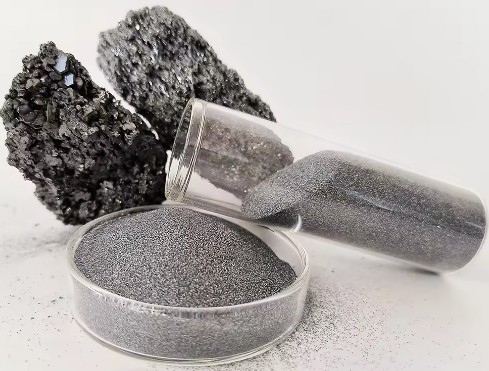
International buyers seeking silicon carbide sanding products related to South Korea can find options through B2B marketplaces and specialized trade portals. These platforms list silicon carbide sandpaper, waterproof silicon carbide sanding paper, and other coated abrasives associated with Korean manufacturers and brands.[12][3]
For example, some listings feature Korean-origin waterproof silicon carbide sanding sheets designed for automotive refinishing, while others show silicon carbide sanding paper suitable for metal, glass, or wood finishing. These channels allow purchasers to compare specifications such as grit range, backing type, and dimensions, and then contact suppliers for quotations or OEM cooperation.[13][4]
Silicon carbide sanding products linked to Korean manufacturers and suppliers offer several notable advantages:
- High and stable quality: Coating processes and backing selection are optimized for consistent performance, which is essential for repeatable finishing results in automated lines and professional workshops.[2][1]
- Wide product range: Buyers can access silicon carbide sanding sheets, belts, discs, and specialty products to build complete sanding systems rather than relying on single items.[3][5]
- Export experience and technical support: Many Korean suppliers understand the requirements of overseas buyers regarding packaging, documentation, and technical communication, and often support OEM and private-label projects.[12][6]
These strengths make South Korea a reliable sourcing destination for distributors, tool brands, and industrial users that depend on silicon carbide sanding solutions.
Silicon carbide sanding has become a standard choice in numerous industrial sectors, and Korean products are used in many of these applications.[1][2]
Waterproof silicon carbide sanding paper is widely used in body shops to level fillers, primers, and topcoats. Wet silicon carbide sanding reduces dust, improves surface flatness, and prepares panels for polishing or repainting. Fine-grit silicon carbide sanding sheets are especially important for producing smooth, swirl-free finishes on clear coats.[4][3]
In furniture factories and woodworking shops, silicon carbide sanding belts and sheets are chosen for finishing hardwoods and veneers, and for final surface preparation before staining or coating. The sharp grains in silicon carbide sanding products minimize burn marks and help maintain details on carved or profiled surfaces.[8][5]
Silicon carbide sanding films, pads, and fine-grit discs are used in electronics and optics production for very controlled material removal and surface conditioning. In glass and ceramic applications, silicon carbide sanding provides the hardness needed to work difficult materials while maintaining manageable process temperatures.[14][6]
Across these segments, Korean-sourced silicon carbide sanding products contribute to higher productivity, improved quality, and reduced rework rates.[2][1]
For overseas buyers, choosing the right partner for silicon carbide sanding products in South Korea involves several steps:
1. Clarify application requirements
Define the exact use cases for silicon carbide sanding, including workpiece material, machine type, desired finish, and daily consumption. This information helps suppliers recommend appropriate grit ranges, backings, and product forms.[8][2]
2. Review product portfolios and certifications
Check whether potential suppliers offer a complete silicon carbide sanding range (sheets, belts, discs, waterproof products) and whether they operate under recognized quality management systems such as ISO. This is particularly important when products need to meet international standards or be integrated into brand portfolios.[7][6]
3. Evaluate OEM and customization capabilities
Many buyers prefer private-label silicon carbide sanding products with customized packaging, sizes, or grit combinations. Confirm that the supplier can support OEM production, stable color schemes, barcodes, and documentation suitable for your markets.[12][6]
4. Request samples and trial batches
Before committing to a long-term contract, test silicon carbide sanding samples in real production conditions, evaluating cutting speed, lifespan, finish quality, and consistency. Feedback from operators and quality inspectors is crucial in making a final decision.[3][5]
5. Consider integrated supply with raw materials
Some buyers may choose to cooperate not only with finished product manufacturers but also with raw material suppliers of silicon carbide grains and ceramic abrasives. This can be particularly valuable when managing costs or co-developing new silicon carbide sanding products.[10][6]
Korean companies often import silicon carbide and other abrasive grains from China and other countries, which creates opportunities for cross-border cooperation. Chinese abrasive and refractory manufacturers can serve as raw material suppliers or OEM producers of semi-finished or finished silicon carbide sanding products that support Korean brands and distributors.[15][6]
By offering consistent-quality silicon carbide grains, bonded abrasives, coated abrasive jumbo rolls, or pre-converted silicon carbide sanding items, Chinese partners can work with Korean firms to supply global markets. Such cooperation can balance cost efficiency, technical performance, and supply security across the supply chain.[16][15]
For global buyers, this means that a sourcing strategy can combine Korean process control and branding with the scale and flexibility of Chinese manufacturing, especially in the silicon carbide sanding segment.
To maximize the performance of silicon carbide sanding media, end users should pay attention to correct selection and use practices:
- Choose grit sizes carefully, starting with coarser silicon carbide sanding grits for heavy defects and moving progressively to finer grits for finishing and polishing.
- Use appropriate pressure; excessive force can shorten the life of silicon carbide sanding products and cause overheating or deep scratches.
- In wet applications, maintain clean water or lubricant flow to carry away swarf and prevent clogging, especially when wet sanding automotive coatings.
- Store silicon carbide sanding products in dry, temperature-controlled environments to protect backing stability and adhesive bonds.[3][2]
Following these guidelines ensures that silicon carbide sanding products from Korean and other suppliers deliver their full potential in daily production.
South Korea has established itself as an important hub for silicon carbide sanding products, supported by a strong base of coated abrasive manufacturers and advanced material suppliers. Companies such as Kwang Myung Abrasives, Asia Abrasive, Sun Abrasives, Dong Kwang Micron, DAEHAN CERAMICS, and Korea Refractories collectively form a robust ecosystem that supports high-quality silicon carbide sanding solutions for automotive, woodworking, electronics, and heavy industry customers worldwide.[9][6][7][1]
For international buyers, sourcing silicon carbide sanding products from South Korea offers advantages in quality, consistency, and technical support, while also enabling flexible cooperation with Chinese OEM factories for raw materials and customized production. By understanding local suppliers, evaluating product portfolios, and performing structured testing, buyers can build efficient, reliable, and cost-effective supply chains centered around Korean silicon carbide sanding technologies.[15][12]
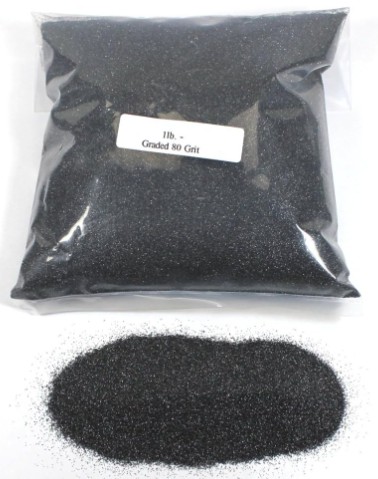
Silicon carbide sanding involves the use of coated abrasives made with silicon carbide grains on paper, cloth, or film backings to grind, smooth, and polish surfaces. It is widely used in automotive refinishing, metalworking, woodworking, glass processing, electronics, and precision component manufacturing because it delivers fast cutting and fine finishes on many materials.[3][2]
Korean silicon carbide sanding products are attractive because they combine modern manufacturing processes, strict quality control, and broad application experience across demanding industries. Buyers benefit from stable product quality, a wide range of sheet, belt, and disc formats, and suppliers that are familiar with export procedures and OEM requirements.[7][1][2]
Yes, many silicon carbide sanding products, especially waterproof sanding paper, are designed for wet use with water or lubricants, while other versions are suitable for dry sanding. Wet silicon carbide sanding is common in automotive body shops to improve surface flatness and reduce dust, whereas dry silicon carbide sanding is often used in woodworking, plastics, and general metal finishing.[4][5][3]
Buyers should select coarse grits for fast stock removal or heavy defects, medium grits for surface smoothing, and fine or very fine grits for final finishing and polishing. Suppliers usually provide grit charts and recommendations matching specific materials and processes, helping users design multi-step silicon carbide sanding sequences from roughing to final finishing.[13][8][2]
Overseas companies can start by identifying Korean manufacturers and distributors through trade directories, industrial associations, and B2B platforms that list silicon carbide sanding products and related abrasives. After reviewing company profiles, certifications, and product ranges, buyers can request samples, conduct testing, and then negotiate OEM or distribution agreements based on performance, pricing, and service levels.[12][3][1]
[1](https://kr.kompass.com/a/abrasive-coated-products/31960/)
[2](https://www.sphericalinsights.com/reports/south-korea-coated-abrasives-market)
[3](https://www.tradeindia.com/kr/silicon-carbide-sandpaper.html)
[4](https://www.keepital.com/company/sg/sh-construction-building-materials-supplier-pte-ltd/product/silicon-carbide-waterproof-abrasive-paper-korea)
[5](http://www.kmca-abrasives.co.kr)
[6](http://www.grind.co.kr/page/english.php)
[7](http://www.dh-c.co.kr/en/about-us)
[8](https://www.orientcraft-abra.com/leading-manufacturer-for-mesh-sandpaper-flintaluminium-oxideblack-silicon-carbide-orientcraft-10-product/)
[9](http://www.fskrc.co.kr/eng/)
[10](http://www.dh-c.co.kr/en/products/grain/ceramic-abrasive-grain)
[11](https://kr.kompass.com/a/refractory-bricks-and-blocks/31920/)
[12](https://korea.tradekey.com/silicon-carbide.htm)
[13](https://zjfange.en.made-in-china.com/product/SxvUFBKTCzkE/China-Korea-Silicon-Carbide-Waterproof-Abrasive-Sanding-Paper.html)
[14](https://www.linkedin.com/pulse/south-korea-sic-powder-market-size-2026-growth-hcmye)
[15](https://www.tradekey.com/company/Luoyang-Ruitu-Refractories-And-Abrasives-8932037.html)
[16](https://zhongsen-refractory.goldsupplier.com)


