
Views: 222 Author: Leah Publish Time: 2025-12-14 Origin: Site


Content Menu
● Understanding Carbon Silicon Carbide
● Key Properties and Performance Benefits
● Main Product Types from Manufacturers and Suppliers
>> Refractory‑Grade SiC and Ceramics
>> Advanced SiC Forms for Electronics
● Overview of the Russian Silicon Carbide Market
● Local Versus Global Supply Channels
● Typical Supplier Categories Serving Russia
>> Domestic Abrasive and Refractory Producers
>> Trading Houses and Distributors
>> Global Producers and Export Specialists
● Why Russian Buyers Turn to Global Partners
● Dragon Abrasives Group Limited: Company Profile
● Dragon Abrasives Silicon Carbide Offering
● Support for Russian Abrasive Manufacturers
● Support for Russian Refractory and High‑Temperature Users
● Technological and Sustainability Trends Affecting Russia
● Practical Criteria for Selecting a SiC Supplier
● Typical Cooperation Model with an Export Supplier
● Long‑Term Benefits of Strong Supplier Partnerships
● FAQ
>> 1. What are the main advantages of using silicon carbide abrasives in Russian industry?
>> 2. How do Russian companies typically purchase silicon carbide?
>> 3. Why is documentation from carbon silicon carbide manufacturers and suppliers so important?
>> 4. What role does Dragon Abrasives Group Limited play in supplying silicon carbide to Russia?
>> 5. How can Russian buyers start working with a new silicon carbide supplier?
Carbon Silicon Carbide manufacturers and suppliers play a crucial role in the Russian abrasives and refractories markets, supporting everything from heavy industry to precision finishing. As Russian buyers look for reliable, high‑performance materials, they increasingly turn to experienced global partners capable of delivering stable quality, documentation, and technical support.
This integrated article explores the nature of Carbon Silicon Carbide, the structure of the Russian market, supplier categories, the role of international exporters such as Dragon Abrasives Group Limited, and key selection criteria for buyers. It is designed to be a practical, in‑depth resource for professionals in abrasives, refractories, and related sectors who want to better understand how to work with carbon silicon carbide manufacturers and suppliers.

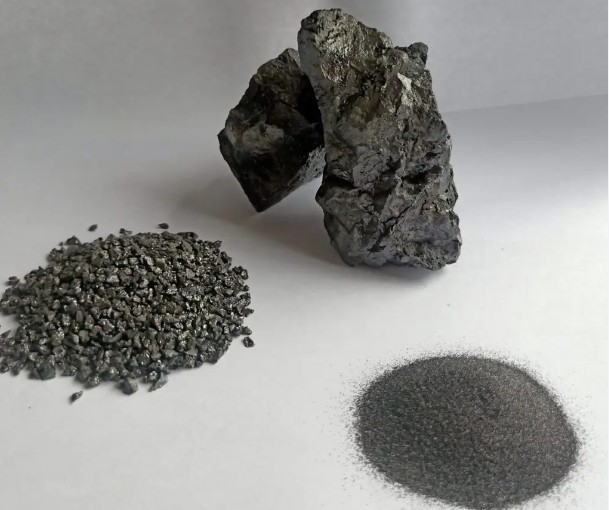
Carbon silicon carbide is a synthetic material produced in electric resistance furnaces by reacting high‑purity quartz sand with carbon sources such as petroleum coke or coal. The process generates very hard, sharp crystals with excellent thermal and chemical stability, making silicon carbide one of the most important modern abrasive and refractory materials.
Because of its high hardness and sharp fracture pattern, carbon silicon carbide manufacturers and suppliers can provide grains that cut aggressively while maintaining good wear resistance. At the same time, its high thermal conductivity and stability at elevated temperatures make it suitable for severe thermal‑shock and corrosive environments in industrial furnaces and kilns.
Silicon carbide stands out from many traditional materials due to a combination of mechanical and thermal properties. Its hardness approaches that of diamond, enabling fast stock removal on metals, stone, ceramics, and composite materials. In grinding and cutting operations, SiC grains can maintain sharp edges and resist micro‑fracturing in a controlled way, which improves efficiency.
Thermally, silicon carbide performs well in high‑temperature environments, retaining strength and resisting oxidation and slag attack when correctly formulated in refractories. For Russian industries where furnaces, ladles, and kilns operate at very high temperatures and experience frequent temperature cycling, these properties translate into longer lining life and reduced maintenance downtime.
Carbon silicon carbide manufacturers and suppliers typically structure their portfolios around several primary product types, each targeted to a different application segment. Having a clear understanding of these categories helps Russian buyers align their needs with the right materials.
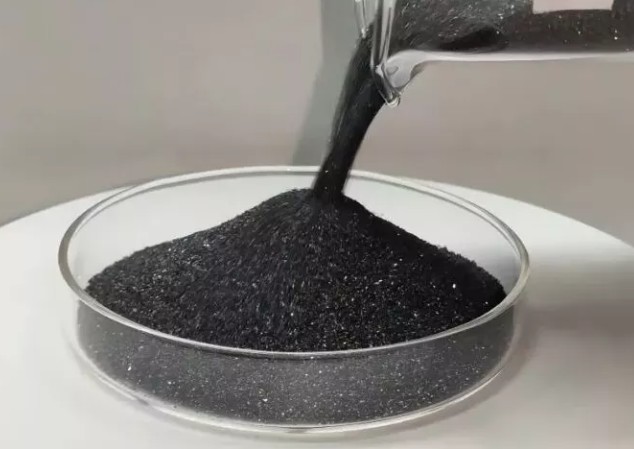
Black silicon carbide is the most widely used form in abrasives and general‑purpose refractories. It is produced in large furnaces and then crushed and screened into specific particle size distributions.
For abrasives, black SiC is used in grinding wheels, cut‑off wheels, abrasive papers, belts, and blasting media, where its sharpness and toughness allow fast cutting on cast iron, non‑ferrous metals, stone, and other relatively hard materials. In refractories, black SiC grains and fines are blended into castables, bricks, and ramming mixes to enhance thermal‑shock resistance and mechanical strength.
Green silicon carbide is made from higher purity raw materials and typically has higher SiC content and lower impurity levels than black grades. It is more brittle and sharper, making it particularly suitable for precision grinding and lapping applications.
Carbon silicon carbide manufacturers and suppliers often recommend green SiC for grinding hard alloys, cemented carbides, glass, optics, and advanced ceramic components. In Russia, this is increasingly relevant for toolrooms, specialty grinding houses, and producers of high‑precision components who need very fine finishes and tight dimensional control.
Refractory‑grade silicon carbide is optimized for use in high‑temperature linings, kiln furniture, burner nozzles, saggars, and other structural components. It is frequently combined with other refractory raw materials to produce bricks, shapes, and monolithics that must endure chemical attack and repeated thermal cycling.
Beyond traditional refractories, some carbon silicon carbide manufacturers and suppliers also offer advanced SiC ceramic parts, such as seals, bearings, and filters. These components can be used in aggressive chemical or thermal environments found in petrochemical, power, and metallurgical installations.
At the high‑tech end of the market, silicon carbide appears as wafers and epitaxial layers for power electronics, high‑temperature devices, and wide‑bandgap semiconductors. While this is a more specialized niche, it is growing in relevance for Russia as demand increases for efficient power electronics, electric vehicles, and high‑reliability systems.
In this segment, carbon silicon carbide manufacturers and suppliers must meet tight impurity limits, crystal defect specifications, and surface finish criteria. Although many Russian users still focus on abrasive and refractory‑grade SiC, the presence of advanced materials underscores the strategic importance of silicon carbide in modern industry.
The Russian market for silicon carbide reflects the structure of its industrial base. Traditional heavy industries—steel production, foundries, glass, cement, and non‑ferrous metallurgy—consume large amounts of refractories and abrasives, which naturally drives demand for SiC. At the same time, construction and infrastructure projects generate ongoing requirements for cutting, grinding, and surface preparation tools.
As industrial modernization continues, many plants in Russia are replacing older abrasive tools and refractory linings with higher‑performance options incorporating silicon carbide. This transition creates opportunities for carbon silicon carbide manufacturers and suppliers that can provide consistent quality, detailed technical data, and assistance in product selection. For buyers, the goal is to achieve longer service life, reduced downtime, better energy efficiency, and more controlled surface finishes.
Russia's silicon carbide needs are met through a mixture of local and international channels. Some domestic companies focus on converting imported SiC into finished abrasive products such as grinding wheels, coated abrasives, and blasting media. Others concentrate on refractories and high‑temperature components that incorporate silicon carbide.
At the same time, many Russian end‑users and converters rely on imports from established carbon silicon carbide manufacturers and suppliers in Asia and Europe. These imports may arrive directly in bulk containers or through local distributors who handle warehousing, customs, and smaller‑lot deliveries. The combination of local and global sources provides flexibility but also makes supplier selection more complex, as buyers must evaluate price, quality, logistics, and technical competence across multiple options.
Several distinct categories of carbon silicon carbide manufacturers and suppliers operate in the Russian market, each playing a specific role in the value chain.
These companies primarily manufacture finished products such as grinding wheels, abrasive papers, cutting discs, refractory bricks, and castables. They purchase SiC grains and powders as raw materials, then process them into tools and components tailored to Russian industrial conditions.
For end‑users, buying from domestic producers offers proximity, shorter lead times, and easier communication in local language. However, the performance of the final product strongly depends on the quality and consistency of the silicon carbide they source from upstream suppliers.
Trading houses and distributors import silicon carbide in bulk and maintain stock in key Russian logistics hubs. They serve smaller and mid‑size customers who cannot import full container loads or who prefer just‑in‑time deliveries.
These intermediaries often work closely with large carbon silicon carbide manufacturers and suppliers abroad, acting as their local representatives. For buyers, a strong distributor can provide both logistical flexibility and technical information, as long as they maintain a transparent link back to the original producer.
The third major category consists of global producers and export‑oriented suppliers who manufacture silicon carbide and related products in their own facilities and ship them worldwide, including to Russia. Many of these companies operate under international quality standards and provide extensive technical documentation and support.
Russian companies working directly with such producers may benefit from a broader product range, consistent raw‑material quality, and up‑to‑date technical knowledge gained across multiple markets. An exporter with experience in Russia can also streamline documentation, shipping routes, and regulatory compliance, making it easier and safer for buyers to secure supply.
There are several reasons why Russian industrial users and converters often prefer to cooperate with established international carbon silicon carbide manufacturers and suppliers.
First, global producers typically operate comprehensive quality‑management systems that track each production batch from raw material selection through furnace processing, crushing, sizing, and packing. This traceability is essential when problems arise in grinding performance or refractory life; buyers need a partner who can investigate and adjust process parameters if necessary.
Second, many international suppliers provide complete data sheets, safety information, and application guidelines. For Russian companies facing increasing regulatory demands and more sophisticated customers, this documentation is crucial. It helps them demonstrate compliance, manage workplace safety, and support technical sales efforts.
Third, international suppliers often offer a wider catalog of grades and particle size distributions, including niche products for specialized operations. This allows Russian plants to fine‑tune performance, switching between different SiC grades as they optimize cutting speed, surface finish, energy consumption, and tool life.
Dragon Abrasives Group Limited is a professional Chinese company specializing in the production and export of abrasives and refractories. Its portfolio covers abrasive grains, bonded abrasives, coated abrasives, non‑woven products, super‑abrasives, and related materials for global markets.
The company operates under ISO‑based quality systems and focuses on stable, repeatable performance across production batches. This emphasis on quality control makes Dragon Abrasives a natural fit among carbon silicon carbide manufacturers and suppliers serving international customers who demand reliability. With more than the majority of its products shipped overseas, the group is experienced in handling export procedures, technical documentation, and long‑distance logistics.
Within its broader product range, Dragon Abrasives supplies silicon carbide grains and powders tailored to abrasive and refractory applications. Its black silicon carbide is produced in electric resistance furnaces using carefully selected quartz and carbonaceous materials, with strict control over chemical composition and impurities.
These SiC grains are graded into a full spectrum of FEPA or comparable grit sizes, making them suitable for grinding wheels, cutting discs, coated abrasives, blasting media, and various refractory mixes. Technical data typically include silicon carbide content, iron oxide levels, free carbon, particle size distribution, bulk density, and hardness indicators. For Russian customers, this openness simplifies comparison with alternative sources and supports internal quality checks.
For Russian producers of bonded and coated abrasives, the choice of raw materials directly affects product performance and consistency. Dragon Abrasives aims to support such manufacturers by aligning grain characteristics with specific tool designs and end‑use requirements.
Coated abrasive producers, for example, may need particular grit size distributions to achieve consistent surface finish and cutting behavior over the full life of a belt or disc. Bonded wheel manufacturers might focus on balancing grain toughness with sharpness to optimize wheel wear patterns and grinding forces. As an export‑oriented member of the community of carbon silicon carbide manufacturers and suppliers, Dragon Abrasives can recommend grade selections, suggest trial sequences, and adjust shipments in response to feedback from Russian plants.
In the refractory sector, silicon carbide can significantly enhance performance in linings exposed to molten metal, slag, and rapid temperature changes. Russian steel mills, foundries, and glass and cement plants often seek to extend furnace life and reduce unplanned outages, making high‑quality SiC‑containing refractories attractive.
Dragon Abrasives' silicon carbide grades can be integrated into bricks, castables, and precast shapes to improve thermal‑shock resistance, mechanical strength, and corrosion resistance. By working with refractory producers and end‑users, the company can help match SiC grain sizes and qualities to specific operating conditions, such as ladle linings, kiln cars, burner throats, or tap holes. This collaborative approach reflects the broader role that knowledgeable carbon silicon carbide manufacturers and suppliers can play in performance optimization.
The silicon carbide industry is gradually adopting more energy‑efficient furnace designs, better raw‑material utilization, and improved process controls. These changes aim to reduce energy consumption, emissions, and waste while maintaining or enhancing product quality. For Russian buyers, these global trends translate into more consistent SiC characteristics and potentially lower environmental footprints associated with their supply chains.
At the same time, research into advanced SiC ceramics, porous structures, and composite materials continues to expand. Over time, innovations developed for specialized fields—such as aerospace or high‑end electronics—often filter down into mainstream abrasive and refractory applications. Russian companies that partner with forward‑looking carbon silicon carbide manufacturers and suppliers gain early access to these developments, improving their competitiveness both domestically and internationally.
Choosing the right supplier is a strategic decision for any Russian company relying on silicon carbide. A structured evaluation process helps reduce risk and ensures long‑term benefits.
Important criteria include:
- Quality and Consistency: Evidence of standardized production processes, certified quality‑management systems, and stable batch‑to‑batch properties.
- Technical Documentation: Availability of detailed data sheets, safety documents, and application notes that allow engineers to make informed decisions.
- Export and Logistics Experience: Demonstrated ability to manage customs, transport, and regulatory requirements between the supplier's country and Russia.
- Technical Support Capability: Access to specialists who can interpret test results, propose grade changes, and assist in problem solving when issues arise.
- Flexibility in Packing and Delivery: Options for different packaging sizes, pallet configurations, and shipment frequencies to match the buyer's inventory strategy.
Carbon silicon carbide manufacturers and suppliers that score well in these areas offer not only raw materials but also long‑term partnership value.
When a Russian company decides to cooperate with an export‑focused silicon carbide supplier such as Dragon Abrasives, the relationship usually progresses through several stages.
Initially, the buyer shares information about existing products, equipment, and performance targets. The supplier then recommends suitable SiC grades and sends trial samples for laboratory and shop‑floor testing. During the evaluation phase, both sides compare grinding or refractory performance, analyze wear patterns and failure modes, and fine‑tune material selection.
Once a suitable grade is confirmed, the parties agree on specifications, order volumes, and logistical details. Over time, carbon silicon carbide manufacturers and suppliers monitor feedback and production changes on the buyer's side, making adjustments to maintain or improve results as equipment and process conditions evolve.
A strong, stable relationship with a competent SiC supplier brings several long‑term benefits to Russian companies. Reliable access to high‑quality materials reduces the risk of production disruptions and quality complaints. Detailed technical support helps buyers adapt to changing market requirements, such as new product lines, tighter tolerances, or higher sustainability expectations.
Furthermore, long‑term cooperation can open the door to co‑development projects, where the buyer and supplier jointly design new abrasive tools, refractory formulations, or surface‑treatment processes. In such partnerships, carbon silicon carbide manufacturers and suppliers contribute their materials knowledge, while Russian users provide insights into local operating conditions and customer needs.
Carbon silicon carbide manufacturers and suppliers are central to Russia's abrasive, refractory, and high‑temperature industries, providing materials that combine extreme hardness, thermal stability, and chemical resistance. As Russian companies modernize their plants and equipment, they increasingly rely on silicon carbide to improve productivity, tool life, and furnace performance.
Global partners such as Dragon Abrasives Group Limited offer valuable support by combining consistent, well‑documented silicon carbide products with strong export and technical capabilities. Through careful supplier selection, structured testing, and ongoing collaboration, Russian buyers can build resilient supply chains and unlock the full potential of silicon carbide across grinding, cutting, blasting, and refractory applications.
Silicon carbide abrasives offer high hardness and sharp cutting edges, which enable fast stock removal on cast iron, non‑ferrous metals, stone, and ceramics while maintaining good surface quality. They also dissipate heat effectively, helping reduce workpiece burning and thermal damage in demanding grinding and cutting operations.
Many Russian companies buy silicon carbide through a mix of local distributors and direct imports from global carbon silicon carbide manufacturers and suppliers. Smaller users often rely on distributors for flexible lot sizes and local stock, while larger plants and converters may work directly with export‑oriented producers to secure stable long‑term contracts and customized grades.
Comprehensive documentation—such as data sheets, safety information, and test reports—helps engineers and quality teams verify that silicon carbide meets internal specifications and regulatory requirements. It also supports root‑cause analysis when problems occur, allowing buyers and suppliers to jointly investigate issues related to grain size, impurity levels, or performance variations.
Dragon Abrasives Group Limited operates as a specialized producer and exporter of abrasives and refractories, including silicon carbide grains and powders for grinding, blasting, and refractory applications. Thanks to its export experience and quality‑management systems, the company can provide Russian customers with consistent SiC products, technical data, and logistics solutions tailored to local needs.
A practical approach is to define target applications and performance goals, then request technical information and trial samples from shortlisted carbon silicon carbide manufacturers and suppliers. Russian buyers can run controlled tests comparing existing materials with proposed alternatives, evaluate grinding or refractory performance, and then negotiate long‑term terms only after confirming that the new supplier meets quality, logistics, and support expectations.


